
What is GLP-1? Learn how this natural gut hormone regulates appetite and slows digestion to support safe, medical weight loss in South Florida.
For individuals seeking to overcome metabolic resistance in South Florida, choosing between different weight loss interventions depends on individual glycemic profiles and clinical history. If maximum weight reduction is the primary goal, clinical data supports dual-agonist options like Tirzepatide; for steady glycemic management combined with consistent weight control, single-receptor agonists like Semaglutide remain the clinical standard. These prescription options work by mimicking a natural gut hormone to regulate appetite and slow digestion. However, medical supervision is critical to ensure safety, manage side effects, and maintain lean muscle mass. CardioMender, MD Weight Loss Specialists provides structured medical monitoring at our clinic in Pembroke Pines, Florida, helping patients from Miami, Fort Lauderdale, and Miramar transition from physiological hunger to sustainable metabolic health. For safety and quality control, avoid obtaining prescription weight loss medications without appropriate medical evaluation and supervision; instead, establish a doctor-supervised plan that combines precise medication titration with customized nutritional counseling to achieve lasting metabolic optimization. Call (954) 799-6439 to discuss your options with our medical team today.

Glucagon-like peptide-1 (GLP-1) is a naturally occurring metabolic hormone produced in your small intestine that signals fullness to your brain, manages insulin secretion, and slows down gastric emptying. When you eat, your gut releases natural GLP-1 to manage your metabolism. However, your body breaks down this natural hormone within minutes, which can leave individuals with metabolic dysfunction feeling constantly hungry. Synthetic versions of this hormone, known as GLP-1 receptor agonists, remain active in the body for much longer, providing sustained metabolic regulation.
Medical professionals classify these treatments as incretin mimetics. This class of medications mimics naturally occurring gut hormones to improve glycemic control and reduce caloric intake. The molecular structure of these compounds allows them to bind to GLP-1 receptors in multiple organs, creating a multi-faceted approach to weight management. Clinical research published by the National Center for Biotechnology Information shows that GLP-1 receptor agonists can improve glycemic control, and emerging evidence suggests they may also influence inflammatory pathways.
When you receive medically supervised GLP-1 therapy, the medication targets three primary physiological pathways:
A common professional mistake is treating GLP-1 medications as a standalone treatment without addressing underlying metabolic health. At CardioMender, MD Weight Loss Specialists, our medical team utilizes comprehensive lab panels to evaluate thyroid function, hormone levels, and insulin resistance. This clinical oversight ensures that we address the root causes of weight gain, rather than just masking your symptoms with medication. Serving patients from Weston and Pembroke Pines, we customize your treatment path to match your exact biological requirements.
Medical Disclaimer: The information provided in this guide is for educational purposes only and does not substitute for professional medical advice, diagnosis, or treatment. Always consult a qualified physician or healthcare provider before beginning any new medical weight loss program or altering your current treatment plan.
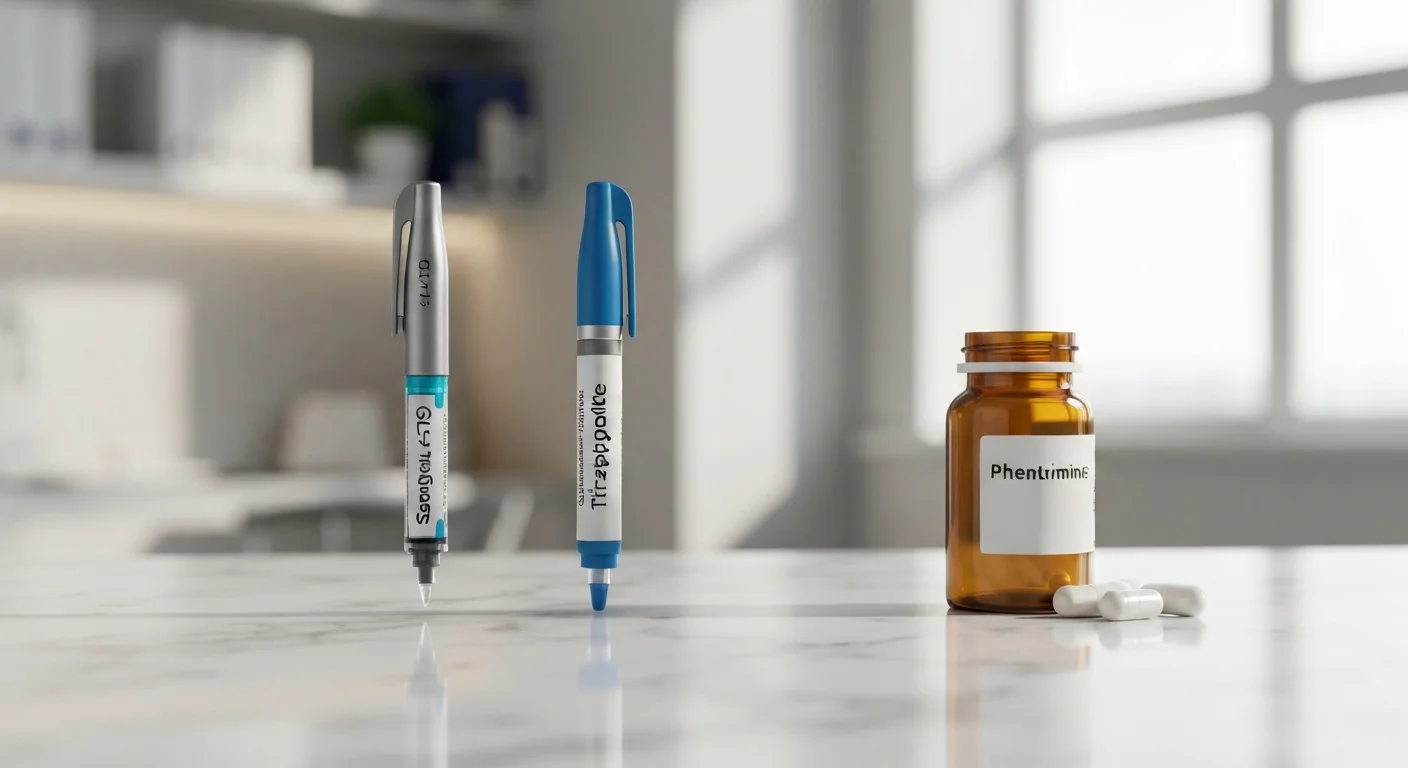
Choosing the right medical weight loss medication requires analyzing your metabolic profile, health history, and long-term wellness goals. While Semaglutide acts as a selective GLP-1 receptor agonist, newer treatments like Tirzepatide target multiple hormone receptors simultaneously. Understanding the differences between these medications, as well as traditional options like Phentermine, allows patients to make informed decisions alongside their clinical provider.
Clinical trials show varying levels of efficacy among these options. For example, the SURMOUNT-1 clinical trial published in the New England Journal of Medicine found that adults without diabetes taking Tirzepatide lost an average of 15.0% to 20.9% of body weight over 72 weeks, depending on dose. In comparison, STEP trial data for once-weekly Semaglutide 2.4 mg showed an average body weight reduction of approximately 14.9% over 68 weeks. Phentermine, a central nervous system stimulant, is typically used for short-term appetite suppression. Unlike GLP-1-based therapies, it does not work through incretin hormone pathways involved in appetite regulation, insulin response, and gastric emptying.
| Medication / Drug Class | Active Agonists | Average Weight Loss % | Common Brand Names | Best For |
|---|---|---|---|---|
| Semaglutide (GLP-1 agonist) | GLP-1 Receptor only | ~15% | Ozempic®, Wegovy®, Rybelsus® (oral tablet) | Steady, consistent weight loss and glycemic control |
| Tirzepatide (GIP/GLP-1 dual agonist) | GIP & GLP-1 Receptors | ~15% to 20.9% | Mounjaro®, Zepbound® | Maximum weight loss and highly insulin-resistant patients |
| Phentermine (Adrenergic agonist) | Norepinephrine release | ~5% to 10% | Adipex-P® | Short-term appetite suppression and needle-free kickstarts |
| Retatrutide (Triple agonist) | GIP, GLP-1, & Glucagon | ~28.3–28.7% in Phase 3 trials (TRIUMPH program) | Not FDA-approved; NDA filing expected late 2026 | Investigational obesity treatment under clinical development |
Program costs vary depending on the medication, dose, insurance coverage, pharmacy source, and level of medical supervision. Patients should confirm current pricing directly with the clinic before starting treatment. If you are debating which therapy matches your physiology, reading a detailed breakdown comparing semaglutide vs. tirzepatide side-by-side can clarify how dual-receptor targeting differs from single-receptor options.
Some patients notice a reduction in food noise and appetite within the first few days, while others experience more gradual changes as the dose is safely titrated. Noticeable changes on the scale may begin within the first few weeks, but meaningful fat loss usually develops gradually over several months. Because your body must adapt to the hormonal changes, weight loss does not occur instantly. Patience and consistent tracking under clinical supervision remain essential during the first month of treatment.
Medical protocols require starting patients on a low, sub-therapeutic dose to minimize gastrointestinal side effects. For example, Semaglutide programs typically begin at 0.25 mg weekly for the first four weeks before gradually increasing. This careful titration process allows your digestive tract to adjust to the delayed gastric emptying. Raising the dose too rapidly is a primary reason patients experience severe nausea or abdominal discomfort, which is why self-prescribing without a doctor is dangerous.
To help you understand the long-term process, review our comprehensive week-by-week weight loss injection timeline. While early progress may reflect changes in appetite, food intake, water weight, and bloating, many patients see more consistent fat loss after the dose is gradually increased and lifestyle habits become more stable. Throughout this timeline, our clinical team monitors your body composition to ensure that your weight reduction comes from fat stores rather than lean skeletal muscle. Preserving muscle mass maintains your metabolic rate, preventing the weight rebound that often occurs after ending crash diets.
Administering your GLP-1 injection safely involves injecting the medication into the subcutaneous fat layer of your skin once per week. Subcutaneous tissue lies just beneath the skin surface, allowing the medication to absorb gradually into the body. These medications are designed for subcutaneous injection, not intramuscular or intravenous use. Always follow your clinician’s instructions and the medication guide for proper injection technique.
You can use three primary injection zones on your body to deliver the medication:
To perform the injection at home, follow this clinical protocol. First, wash your hands and sanitize your chosen injection site using a fresh alcohol prep pad. Allow the skin to air-dry completely to prevent a stinging sensation when the needle enters. Gently pinch the skin to isolate the subcutaneous fat layer, insert the needle at a 90-degree angle — or at a 45-degree angle if you have less subcutaneous tissue, as directed by your clinician — and depress the plunger or activate the auto-injector pen. Hold the needle in place for 5 to 10 seconds, withdraw it safely, and immediately discard the needle into an approved sharps container.
An expert recommendation is to rotate your injection sites weekly to prevent localized tissue hardening, medically termed lipodystrophy. If you inject in the abdomen during week one, choose your thigh for week two. Some patients find that rotating injection sites improves comfort and reduces local irritation. Nausea is more often related to dose, titration speed, meal size, and individual tolerance rather than the injection site alone.

Designing a balanced diet plan while taking a GLP-1 receptor agonist is essential because slowed digestion and reduced appetite mean every bite must deliver high nutritional value. Eating small, nutrient-dense meals prevents nutritional deficiencies and helps maintain muscle tissue. If you consume empty calories while appetite-suppressed, you risk physical fatigue, hair shedding, and poor metabolic health.
Your daily diet should focus on clean, unprocessed foods that support your digestive tract. Focus your meal planning on these highly beneficial food categories:
Many patients feel better when they limit greasy, deep-fried, and highly processed foods. Because GLP-1 medications slow down your digestion, heavy fats will sit in your stomach longer, frequently triggering intense acid reflux, bloating, and vomiting. Prioritize baking, grilling, or steaming your meals instead of frying them.
To combine these clinical principles into a delicious meal, prepare Grilled Florida Citrus Mahi-Mahi over quinoa and steamed asparagus. Season a four-ounce Mahi-Mahi filet with fresh lime juice, orange zest, and garlic, then grill it thoroughly. Serve it alongside one-half cup of cooked quinoa and a portion of steamed asparagus spears. This meal provides high-quality protein, clean complex carbohydrates, and essential minerals while remaining gentle on your digestive system. For additional ideas, read our full list of what to eat on semaglutide to avoid side effects.
Preparing for a discussion about medical weight loss with a healthcare professional requires organizing your metabolic history, clinical goals, and previous diet attempts. Many patients feel hesitant to ask for medical assistance, but excess weight can involve complex metabolic, hormonal, behavioral, and lifestyle factors that may benefit from clinical support. Approaching your provider with a structured plan will make the conversation efficient and productive.
If you are unsure how to start the discussion, use this comfortable script during your next clinical appointment:
“I have been struggling to manage my weight despite making consistent adjustments to my diet and exercise routines. I would like to address the root metabolic causes of my weight retention rather than relying on standard calorie restriction. Can we evaluate whether a GLP-1 medication like Semaglutide or Tirzepatide is a safe option for my body, and could we run a comprehensive lab panel to check my insulin levels and thyroid function?”
Before your consultation, compile a medical preparation list to share with your provider. Write down all previously attempted commercial diet programs, lifestyle modifications, and weight management medications. List your current prescriptions, over-the-counter supplements, and any personal or family history of pancreatitis, gallbladder disease, endocrine conditions, or thyroid tumors. Clearly define your primary wellness goals, such as improving joint mobility, lowering blood pressure, or reversing pre-diabetes. If you prefer to consult experts who specialize exclusively in metabolic health, you can schedule your consultation at CardioMender, MD Weight Loss Specialists in Pembroke Pines, where we design custom care plans for patients across South Florida.
No, you do not necessarily have to take GLP-1 medications forever to maintain your results. While obesity is a chronic metabolic condition, a medically supervised program focuses on developing sustainable lifestyle habits, metabolic optimization, and a strategic, gradual titration plan. At CardioMender, MD, we help patients discuss long-term options, which may include continued treatment, a lower maintenance dose, or a gradual taper when clinically appropriate, combined with nutrition and lifestyle strategies to support weight maintenance.
Hair shedding reported during GLP-1 treatment is often linked to rapid weight loss, reduced calorie or protein intake, or telogen effluvium rather than proven direct damage to hair follicles. Instead, rapid, significant weight loss can shock your system and trigger a temporary shedding phase called telogen effluvium. This type of shedding is often temporary, and a clinician can help reduce risk by monitoring protein intake, micronutrient status, and the pace of weight loss. To understand this biological reaction further, review the medical truth behind GLP-1 medications and hair loss.
The formal medical term for GLP-1 medications is GLP-1 receptor agonists, which belong to a broader pharmacological class known as incretin mimetics. Incretin mimetics are medications designed to mimic some of the signaling effects of natural gastrointestinal hormones. These medications stimulate insulin release in response to meals, may reduce glucagon secretion when blood sugar is elevated, and can slow gastric emptying.
GLP-1 medications may help improve blood pressure indirectly through weight loss, improved blood sugar control, and broader cardiometabolic changes. However, they are not prescribed as primary blood-pressure medications. If you take medication for hypertension, your clinician should monitor your readings as your weight changes and adjust your treatment plan if needed.
If you are looking for a trusted, doctor-supervised clinic in South Florida, CardioMender, MD Weight Loss Specialists is located in Pembroke Pines, FL, and serves patients throughout Broward and Miami-Dade counties. We provide comprehensive metabolic testing, custom dosing schedules, personalized dietary plans, and regular body composition analysis. Serving patients from Miramar, Miami, and Fort Lauderdale, we invite you to explore our weight loss injections in Pembroke Pines and enroll in our medically supervised semaglutide program. Call (954) 799-6439 to discuss your options with our medical team.
Our physician-supervised weight loss and aesthetic programs are designed around your unique body, goals, and lifestyle.