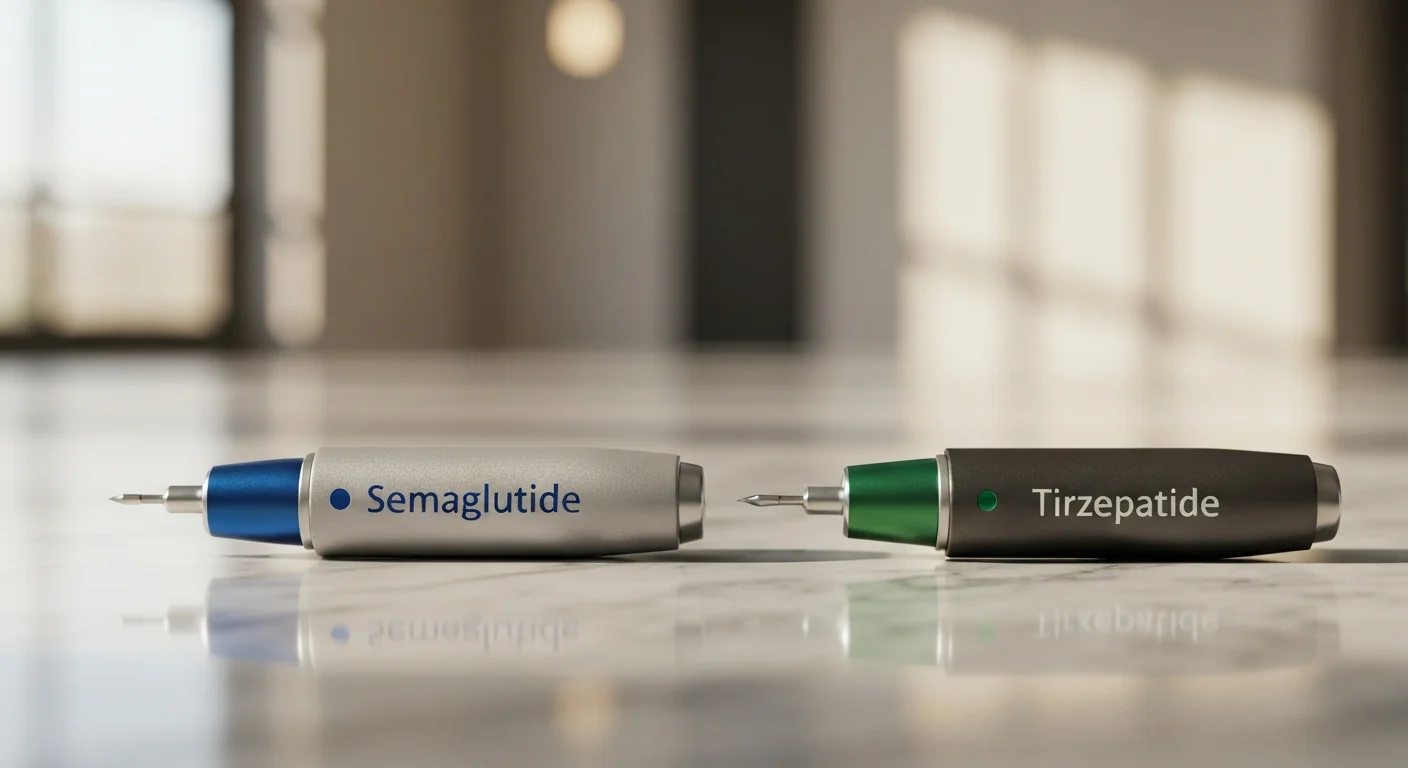
Semaglutide vs tirzepatide: Which weight loss medication is right for you? Compare their efficacy, side effects, costs, and unique metabolic pathways.
For patients prioritizing maximum weight loss velocity and comprehensive metabolic control under dual-receptor pathways, tirzepatide is the superior therapeutic option. For individuals who require a more established, multi-year cardiovascular safety track record, tolerate single-receptor agonists better, or operate within a tighter financial budget, semaglutide remains the preferred clinical selection. While both medications represent revolutionary leaps in obesity medicine, they function differently within the human body. Semaglutide utilizes a single-hormone pathway to delay digestion and suppress appetite. Tirzepatide activates two distinct metabolic pathways to achieve heightened efficacy, resulting in greater average weight reduction. Selecting the correct medication requires a detailed assessment of your medical history, metabolic baseline, and lifestyle goals.
Disclaimer: The information in this article is for educational purposes only and does not substitute for professional medical advice, diagnosis, or treatment. Always consult a qualified healthcare provider before starting any medical weight loss protocol.
Clinical data demonstrates that tirzepatide yields greater average weight loss results than semaglutide. This difference is due to the dual-receptor targeting mechanism of tirzepatide. However, determining which medication is better requires looking beyond raw percentages. The optimal choice depends on individual cardiovascular risk profiles, patient tolerability, and budget constraints.
Patients across South Florida, from Pembroke Pines and Miramar to Weston and Fort Lauderdale, face distinct metabolic challenges. A successful weight management program must address these unique physiological profiles. Below are the key takeaways comparing these two therapeutic agents:
To understand why these medications produce different outcomes, you must understand their underlying biochemistry. Semaglutide is a synthetic analog of GLP-1, a hormone naturally secreted by the L-cells of the small intestine in response to food intake. By binding to GLP-1 receptors, semaglutide delays gastric emptying, which physically keeps food in your stomach longer. Simultaneously, it crosses the blood-brain barrier to target the arcuate nucleus in the hypothalamus, signaling satiety and reducing overall hunger. This mechanism helps patients manage portion sizes without experiencing constant hunger.
Tirzepatide represents a newer class of medication known as twincretins. It targets both the GLP-1 receptor and the GIP receptor. GIP is another gut hormone that works alongside GLP-1. In healthy physiology, GIP stimulates insulin secretion in a glucose-dependent manner and plays a crucial role in lipid metabolism. When combined with a GLP-1 agonist, the GIP component acts synergistically. This dual action enhances insulin sensitivity, improves adipose tissue utilization, and directly dampens central pathways that trigger nausea.
This dual activation is highly effective at silencing food noise. Food noise refers to intrusive, constant thoughts about eating and cravings. This phenomenon is not a psychological weakness or a lack of willpower. It is a biological signal driven by hormonal pathways. By dual-targeting the brain’s reward and satiety centers, tirzepatide reduces these compulsive thoughts. This biological management makes it easier for patients to stick to a structured nutrition plan.
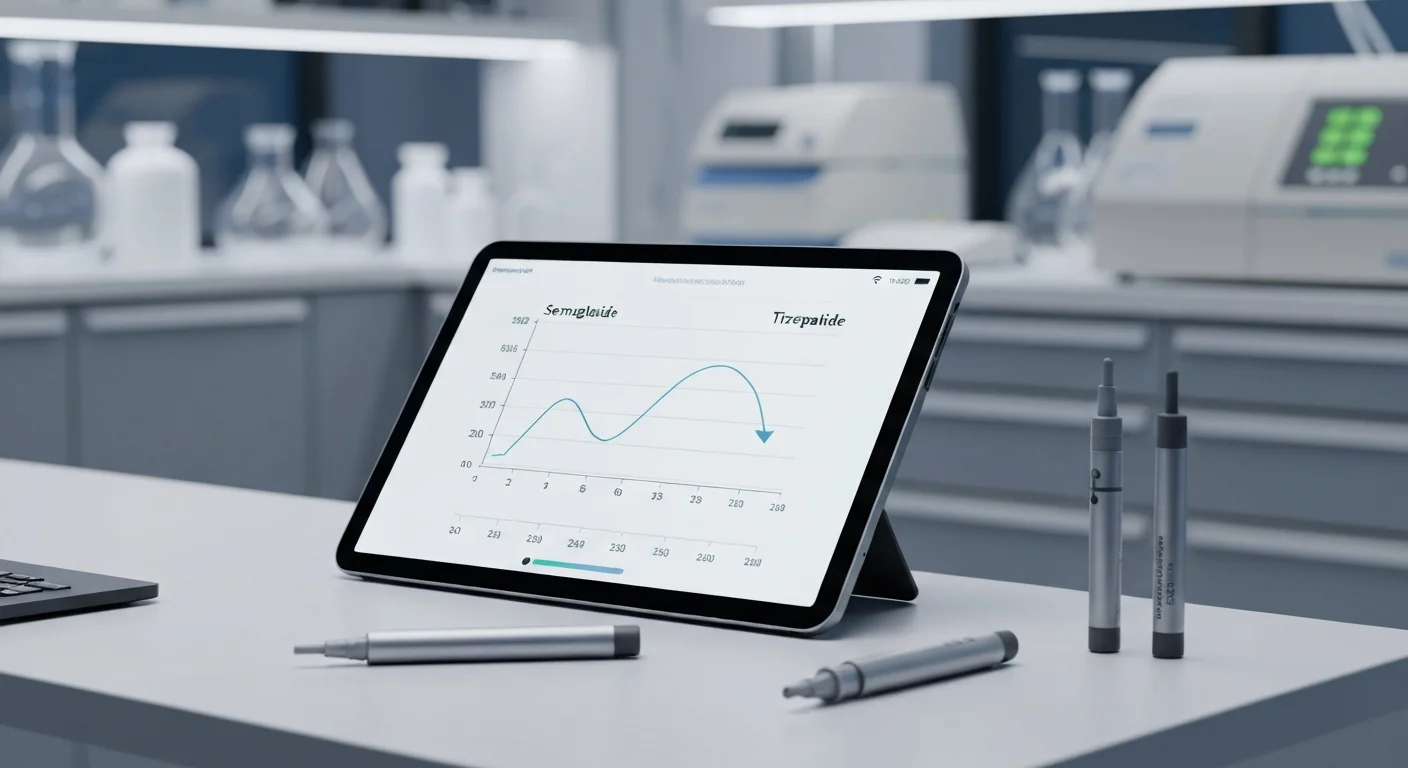
Clinical trials provide a reliable benchmark for predicting patient outcomes. The landmark STEP-1 clinical trial, published in The New England Journal of Medicine, evaluated semaglutide at a weekly dose of 2.4 mg. Over a 68-week period, adult participants achieved an average reduction of 14.9% to 15% of their initial body weight. This trial established semaglutide as a powerful option for chronic weight management.
By contrast, the SURMOUNT-1 clinical trial evaluated the efficacy of tirzepatide. Over a 72-week period, participants taking the maximum weekly dose of 15 mg achieved an average body weight reduction of 20.9%. Even patients on the lower maintenance doses of 5 mg and 10 mg achieved significant average weight loss, averaging 15.0% and 19.5% respectively. For detailed real-world patient outcomes, review our clinical breakdown of tirzepatide weight loss results to understand these variations.
To understand these percentages in daily life, consider a patient with a starting weight of 230 pounds:
The pharmaceutical market features several brand names for these active ingredients, which can confuse patients. This confusion stems from how drug manufacturers seek regulatory approval. Ozempic and Mounjaro were originally developed and approved by the FDA to treat Type 2 diabetes. However, because weight loss was a prominent secondary outcome, physicians frequently prescribed them off-label for weight management.
To address weight loss directly, manufacturers sought separate FDA approvals under different brand names. Semaglutide received approval for chronic weight management under the brand name Wegovy. Tirzepatide received similar approval under the brand name Zepbound. If you are seeking targeted clinical options in South Florida, you can read about our specific programs for Zepbound for weight loss in Pembroke Pines.
The main differences between these brand-name versions involve insurance coverage and packaging. The active drug molecules in Ozempic and Wegovy are identical, as are those in Mounjaro and Zepbound. However, health insurance companies often use distinct approval criteria for each brand. Insurance plans may cover Ozempic or Mounjaro only for patients with a documented diagnosis of Type 2 diabetes. Conversely, coverage for Wegovy or Zepbound often depends on a patient’s body mass index (BMI) and the presence of weight-related health conditions, like high blood pressure or sleep apnea.
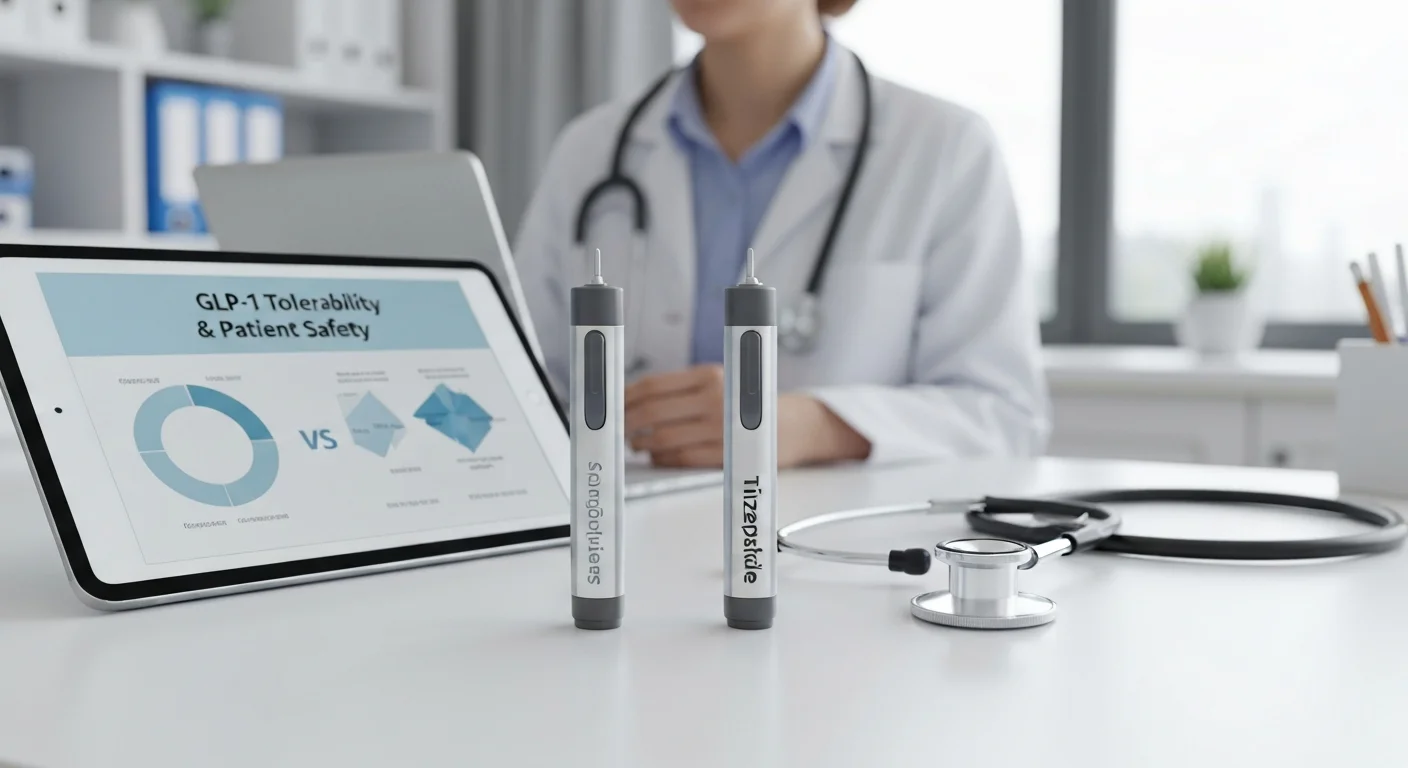
While these weight loss injections are highly effective, they can cause side effects. Because both medications slow gastric motility, the most common side effects are gastrointestinal. Patients frequently report mild to moderate nausea, diarrhea, constipation, vomiting, and acid reflux. These side effects typically occur during the initial weeks of treatment or immediately following a dose increase.
A common mistake in medical weight loss is increasing the medication dose too quickly. This rapid titration can overwhelm the digestive system, leading to severe gastrointestinal distress and treatment fatigue. To avoid this, a doctor-led program uses a personalized titration schedule, adjusting doses based on your body’s response rather than a rigid timeline.
Physicians can also use supportive therapies to improve patient comfort. For example, adding lipotropic or Vitamin B12 injections can help boost energy levels, protect metabolic function, and ease mild nausea. Managing side effects effectively helps patients stay on track and avoid stopping treatment early.
From a safety standpoint, both semaglutide and tirzepatide carry an FDA boxed warning regarding the risk of thyroid C-cell tumors. This warning is based on findings from rodent studies. Consequently, these medications are contraindicated for patients with a personal or family history of Medullary Thyroid Carcinoma (MTC) or Multiple Endocrine Neoplasia syndrome type 2 (MEN 2). Patients must undergo a thorough medical screening to identify these risks before starting treatment.
Commercial shortages of brand-name medications like Wegovy and Zepbound have made access difficult for many patients. Additionally, high out-of-pocket costs pose a significant barrier. Brand-name therapies can cost between $1,000 and $1,300 per month without insurance coverage. These challenges have led many patients to consider compounded formulations.
Compounded semaglutide and compounded tirzepatide offer an affordable alternative. They typically cost between $250 and $600 per month, depending on the dosage. However, safety must remain your top priority. Compounded medications are safe and effective only when sourced from an FDA-licensed 503A outsourcing sterile compounding pharmacy. These specialized facilities must follow strict sterile preparation and quality assurance standards.
Patients should avoid purchasing unlabeled peptides or research chemicals online. These unregulated products do not undergo sterility testing, lack verified active ingredients, and are sold without medical oversight. Utilizing unsafe sources increases the risk of contamination, incorrect dosing, and severe adverse reactions. Safe medical weight loss requires a prescription from a licensed healthcare provider who conducts baseline lab testing and monitors your progress.

Choosing between semaglutide and tirzepatide is a medical decision that requires professional guidance. At a dedicated clinic, a clinician does not simply prescribe a medication based on clinical trial percentages. Instead, we evaluate your health profile to find the most suitable, sustainable option for you.
At Cardiomender, MD Weight Loss Specialists, we assess several key areas during your initial consultation:
If you are looking for personalized support, our medically supervised weight loss program in Pembroke Pines provides face-to-face physician monitoring. This hands-on care ensures your program is tailored to your unique metabolic needs and lifestyle goals.
The table below summarizes the key clinical differences between these two medical weight loss options:
| Feature / Metric | Semaglutide (Wegovy® / Ozempic®) | Tirzepatide (Zepbound® / Mounjaro®) |
|---|---|---|
| Drug Class | GLP-1 Receptor Agonist | Dual GIP/GLP-1 Receptor Agonist |
| Average Weight Loss | ~15% of body weight | ~15% to 20.9% of body weight |
| Primary Mechanism | Mimics GLP-1 to suppress appetite and slow digestion | Mimics GLP-1 and GIP to optimize metabolism and satiety |
| Dosing Schedule | Once-weekly subcutaneous injection | Once-weekly subcutaneous injection |
| FDA Approval for Weight Loss | Approved (Wegovy – June 2021) | Approved (Zepbound – November 2023) |
| Common Side Effects | Nausea, diarrhea, constipation, reflux | Nausea, vomiting, diarrhea, decreased appetite |
Semaglutide targets a single hormone receptor (GLP-1) to reduce appetite and delay stomach emptying. Tirzepatide targets two hormone receptors (GLP-1 and GIP). This dual-action approach helps tirzepatide deliver greater average weight loss and offer enhanced metabolic benefits for most patients.
If you experience a weight loss plateau or struggle with side effects on semaglutide, switching from semaglutide to tirzepatide is a common and effective option. You must make this transition under medical supervision. Your doctor will determine the appropriate starting dose of tirzepatide to ensure a safe transition and minimize gastrointestinal side effects.
Semaglutide is generally the more cost-effective option, particularly when utilizing high-quality compounded formulations. While tirzepatide typically results in higher average weight loss, semaglutide remains a highly effective option that fits more easily into a conservative budget.
You should consider tirzepatide if your target weight loss exceeds 15% of your body weight, or if you have hit a plateau on the maximum dose of semaglutide. It is also an excellent option for patients with metabolic syndrome or insulin resistance, as the GIP component helps improve insulin sensitivity.
Yes, compounded semaglutide and compounded tirzepatide are highly effective when sourced from a licensed, sterile 503A compounding pharmacy. These formulations contain the same active ingredients as the brand-name medications and work the same way in the body, providing an affordable alternative to retail products.
See also: How to Inject Semaglutide: Step-by-Step Guide for New Patients
Our physician-supervised weight loss and aesthetic programs are designed around your unique body, goals, and lifestyle.