Discover what to eat on semaglutide to maximize weight loss and reduce nausea. Learn which foods to prioritize and what to avoid for optimal results.
For individuals prescribed Semaglutide (such as Ozempic® or Wegovy®) to address chronic weight management, optimizing nutritional intake is essential for both maximizing fat loss and mitigating gastrointestinal side effects. To achieve the best clinical outcomes, patients should adopt a diet prioritized around lean proteins, low-glycemic complex carbohydrates, and high-fiber, non-starchy vegetables. Conversely, individuals must strictly limit or avoid high-fat, fried, and heavily processed foods, as well as simple sugars and carbonated beverages. This dietary structure is necessitated by the pharmacokinetics of GLP-1 receptor agonists, which delay gastric emptying and slow digestion. By focusing on nutrient-dense, easily digestible foods in highly controlled portion sizes, patients can preserve critical lean muscle mass, sustain metabolic rate, and significantly reduce the incidence of medication-induced nausea, acid reflux, and early satiety. Cardiomender, MD Weight Loss Specialists provides structured support to help patients navigate these complex nutritional shifts safely under medical supervision.
To maximize weight loss and prevent side effects on Semaglutide, you should prioritize a high-protein, low-glycemic diet focused on lean proteins, complex carbohydrates, and non-starchy vegetables while strictly avoiding high-fat, fried, and heavily sugary foods. This clinical recommendation addresses the physiological changes that occur when taking a glucagon-like peptide-1 (GLP-1) receptor agonist. Because these medications slow down the rate at which your stomach empties, foods that are difficult to digest will remain in the stomach longer, often triggering acute gastrointestinal distress. Clinical guidelines published by the American Gastroenterological Association emphasize that dietary modifications are the primary defense against these side effects. By structuring your meals correctly, you can achieve your wellness goals while maintaining optimal digestive comfort.
Preserving your fat-free mass is another critical aspect of a successful weight loss program. During rapid weight reduction, the body naturally tends to metabolize muscle tissue alongside fat. Research published in The New England Journal of Medicine highlights the importance of nutritional density and structured protein intake to prevent sarcopenic weight loss. To protect your skeletal muscle and support your metabolic rate, you must consume high-quality proteins at every meal. The following core principles form the foundation of an effective nutritional strategy while using Semaglutide:
Disclaimer: This nutritional guide is for informational purposes only and does not replace professional medical advice. Always consult a board-certified physician before starting or modifying any medical weight loss program, medication, or dietary regimen.
Selecting the best foods for Semaglutide requires focusing on high-density nutrition because the medication drastically reduces your overall appetite. When your daily caloric intake decreases, every meal must supply essential vitamins, minerals, and amino acids to prevent nutritional deficiencies. A well-curated shopping list prevents you from consuming empty calories that do not support your metabolic health. At Cardiomender, MD Weight Loss Specialists, we recommend building your grocery cart around whole, minimally processed items that support digestive ease and muscle retention.
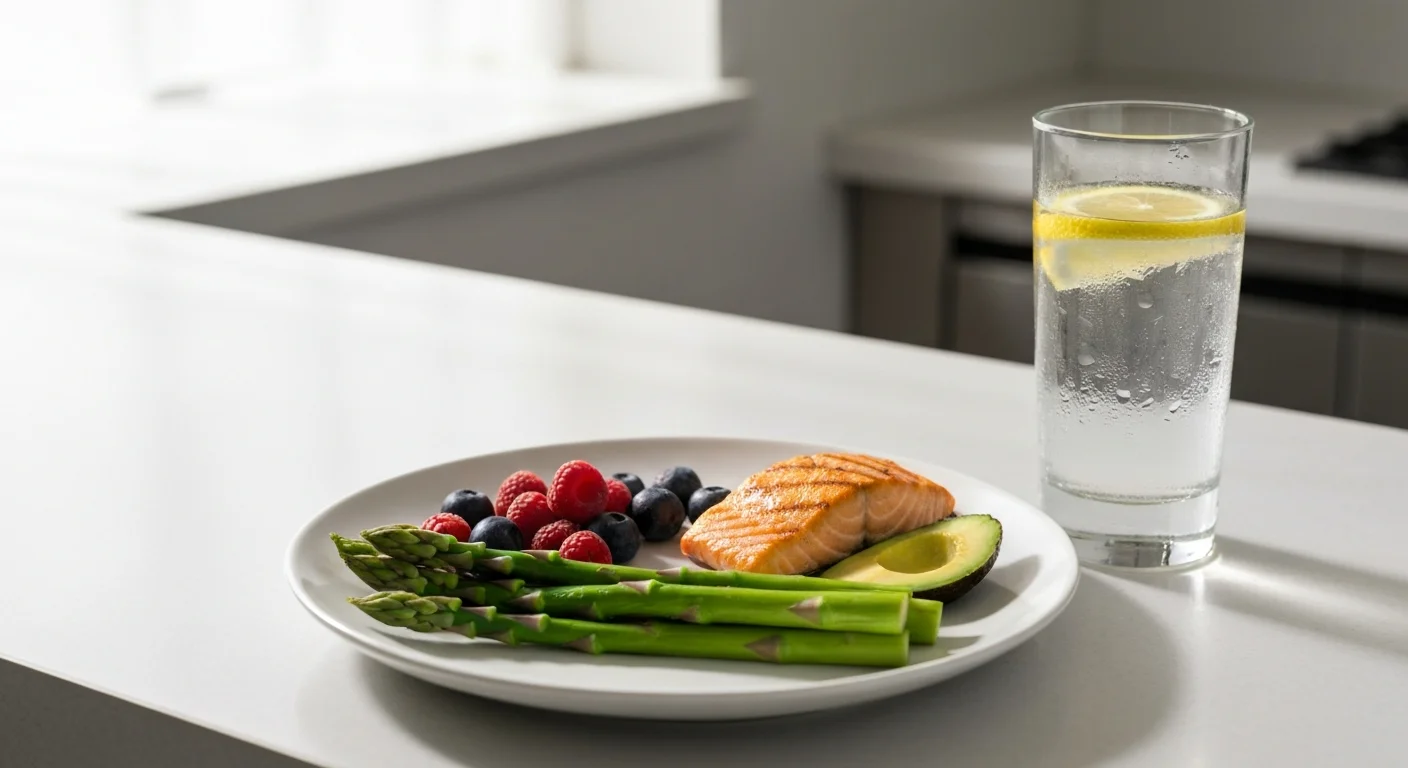
Your primary focus should always be on high-quality, lean protein sources. Lean proteins require more energy to digest than fats or carbohydrates, which supports your metabolic rate. Additionally, they provide the essential building blocks needed to maintain muscle tissue while your body is in a caloric deficit. Excellent options include boneless, skinless chicken breast, ground turkey that is 93% or leaner, and wild-caught white fish like cod or halibut. Egg whites and low-fat, unsweetened Greek yogurt or cottage cheese are also highly digestible options that deliver substantial protein without excess saturated fats.
Vegetables are necessary to provide essential dietary fiber, which supports healthy bowel movements and prevents constipation—a common side effect of GLP-1 medications. However, because raw vegetables can sometimes be difficult to digest when gastric emptying is delayed, you should prioritize cooked, non-starchy options. Spinach, kale, zucchini, asparagus, and well-cooked broccoli are excellent choices. These vegetables supply rich antioxidants and vitamins without causing excessive gas or bloating. For hydration and micronutrient support, incorporate moderate portions of low-glycemic fruits such as fresh blueberries, raspberries, and strawberries.
To maintain steady energy levels throughout the day, select complex, low-glycemic carbohydrates. These carbohydrates break down slowly, preventing rapid fluctuations in your blood glucose levels. Quinoa, wild rice, steel-cut oats, and lentils are outstanding options. These foods provide a steady release of energy and are packed with dietary fiber. If you experience fatigue, which can occur during rapid weight loss, incorporating targeted supplementation can make a significant difference. Patients frequently benefit from combining their dietary plan with medically supervised Vitamin B12 and Lipotropic Injections to naturally support cellular energy production and fat metabolism.
Understanding which foods to avoid while taking Semaglutide is just as important as knowing what to include on your plate. Because Semaglutide mimics the GLP-1 hormone, it slows the rate at which food moves from your stomach into your small intestine. When you consume foods that are high in fat or heavily processed, they remain in your stomach for an extended period. This delay can lead to the fermentation of food in the gastric tract, causing uncomfortable gas, bloating, severe acid reflux, and chronic nausea.
Fried and ultra-processed foods represent the most significant risk for causing gastrointestinal distress. French fries, fried chicken, potato chips, and standard fast-food items contain high amounts of unhealthy saturated fats that severely delay gastric emptying. Consuming these items while taking a GLP-1 medication almost guarantees some degree of nausea or indigestion. To keep your digestive system functioning comfortably, you should completely eliminate fried foods and rely on baking, grilling, steaming, or air-frying your meals instead.
High-sugar foods and refined carbohydrates should also be strictly avoided. Items like donuts, pastries, regular sodas, candy, and ice cream cause rapid changes in blood glucose levels, which counteracts the glucose-regulating benefits of your medication. Additionally, carbonated beverages such as sparkling water, soda, and beer can cause severe discomfort. The carbon dioxide gas in these drinks builds up in your slowly moving stomach, leading to painful bloating, early fullness, and frequent burping.
Excessive alcohol consumption is another critical factor to avoid. Alcohol can irritate your stomach lining, worsen nausea, and increase the risk of low blood sugar, also known as hypoglycemia. To understand these interactions more fully, you can review our clinical guide on Tirzepatide and alcohol, which outlines risks that are highly applicable to Semaglutide users. Finally, you should avoid eating large meals within 3 to 4 hours of your bedtime. Going to sleep with a full stomach when your digestion is slowed is a primary trigger for nighttime acid reflux and morning nausea.
You can absolutely eat carbohydrates while taking Semaglutide, and they are actually an important part of a balanced diet. However, you must be highly selective about the types of carbohydrates you choose to consume. Carbohydrates serve as your body’s primary source of energy, and completely eliminating them can lead to brain fog, fatigue, and poor physical performance. The key to success is understanding the difference between simple, refined carbohydrates and complex, fiber-rich carbohydrates.
Simple and refined carbohydrates should be kept to an absolute minimum. Foods like white bread, white pasta, white rice, and sugary snacks are stripped of their natural fiber and nutrients. Because they digest very quickly, they can cause sudden spikes and drops in your blood sugar. These rapid fluctuations can trigger cravings and feelings of fatigue, directly working against the appetite-regulating benefits of your medication. Additionally, these highly processed foods provide very little nutritional value to support your body’s needs during weight loss.
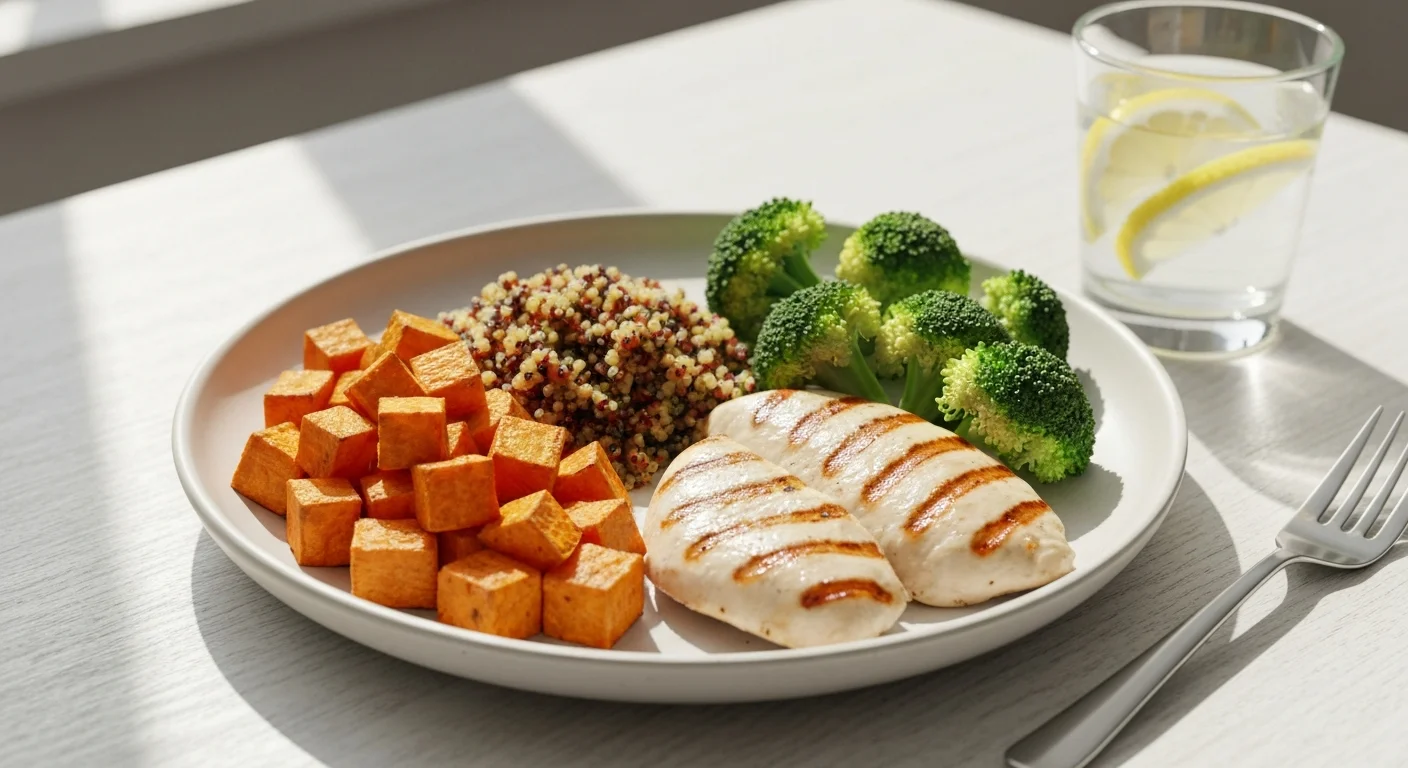
In contrast, you should actively embrace complex carbohydrates in moderation. Foods such as sweet potatoes, quinoa, brown rice, and legumes are packed with vitamins, minerals, and prebiotic fibers. These fiber-rich carbohydrates move slowly through your digestive tract, helping you feel satisfied for longer periods. Prebiotic fibers are particularly beneficial because they pass into your large intestine, where they feed the healthy bacteria in your gut microbiome. This process supports healthy digestion and can naturally stimulate your body’s own hormone production, helping you maintain your results over the long term.
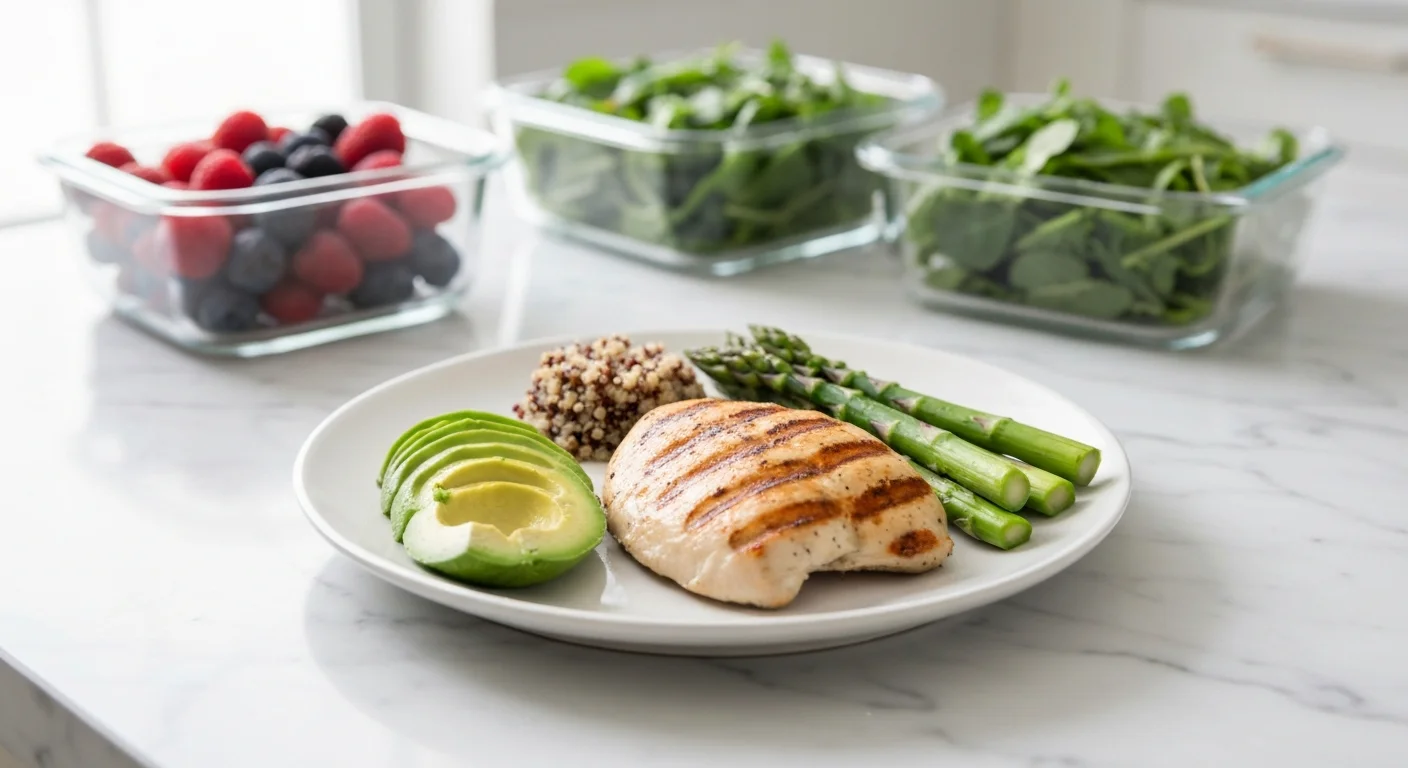
To lose weight safely and maintain your results long-term, you should follow a structured meal plan that prioritizes high-protein, nutrient-dense foods. Eating small, frequent meals throughout the day is much easier on a slowed digestive system than consuming two or three large meals. This structured approach helps prevent your stomach from becoming overly full, which is a major trigger for nausea and acid reflux. It also ensures that your muscles receive a steady supply of amino acids to support recovery and preservation.
Below is a sample daily meal structure designed to support patients taking Semaglutide. This plan offers two distinct options to suit your daily preferences: Option A focuses on highly digestible, stomach-soothing foods, while Option B is designed to maximize your daily protein intake.
To help you track and manage your potential progress, we invite you to utilize our interactive potential weight loss calculator to visualize your health goals.
| Meal Time | Target Food Goal | Sample Option A (Gentle on Stomach) | Sample Option B (High Protein) | Estimated Cost |
|---|---|---|---|---|
| Breakfast | Lean protein + complex carb | 1/2 cup oatmeal made with water, topped with 5-6 fresh blueberries and 1 scoop of clean whey protein isolate. | 3 scrambled egg whites with baby spinach, served with 1 slice of whole-grain Ezekiel toast. | Price range for breakfast ingredients: $2.50–$5.00 per serving. |
| Mid-Morning Snack | Hydration & light protein | 1/2 cup low-fat cottage cheese with sliced cucumber. | 1/2 scoop low-carb protein shake blended with water and ice. | Price range for snack ingredients: $1.00–$3.00 per serving. |
| Lunch | Lean protein + non-starchy veg | 3 oz grilled chicken breast over a bed of mixed greens, dressed with a squeeze of fresh lemon and 1 tsp of olive oil. | 3 oz canned tuna in water, mixed with 1 tbsp of low-fat Greek yogurt, wrapped in a low-carb tortilla. | Price range for lunch ingredients: $4.00–$8.00 per serving. |
| Mid-Afternoon Snack | Stomach-soothing option | A small handful of raw almonds (10-12) or a single kiwi fruit. | 1 cup warm organic bone broth (excellent for hydration and natural collagen protein). | Price range for snack ingredients: $1.50–$4.00 per serving. |
| Dinner | High protein + steamed veg | 4 oz baked wild-caught cod served with 1/2 cup steamed zucchini and 1/4 cup quinoa. | 4 oz extra-lean ground turkey breast stir-fried with asparagus spears and a touch of low-sodium tamari. | Price range for dinner ingredients: $6.00–$12.00 per serving. |
When implementing this meal plan, pay close attention to how your body responds to different foods. If you find that a particular item causes mild bloating or indigestion, try replacing it with a simpler, more thoroughly cooked alternative. Remember to eat slowly and stop eating as soon as you feel satisfied, even if you have not finished the portion on your plate. Listening to your body’s natural fullness signals is a key part of building healthy, long-term eating habits.
To ensure you get the absolute most out of this dietary protocol, follow this structured weekly routine:

Attempting to manage your diet and medication on your own can lead to significant health risks, including severe muscle loss, nutritional deficiencies, and a rapid rebound in weight once you stop taking the medication. Many online platforms offer Semaglutide without providing any medical guidance or personalized support. Without professional monitoring, you may not be consuming enough protein or essential nutrients, which can damage your long-term metabolic health and leave you feeling constantly fatigued.
At Cardiomender, MD Weight Loss Specialists, we take a comprehensive, medical-grade approach to your weight loss journey. We do not believe in one-size-fits-all solutions. Our board-certified medical team begins by performing a detailed analysis of your blood work, hormone levels, and overall metabolic health. This allows us to design a personalized nutrition and lifestyle plan that is tailored specifically to your body’s unique needs, helping you achieve lasting results.
We closely monitor your body composition throughout your program to ensure you are losing pure body fat while preserving your precious lean muscle tissue. Our clinical team provides ongoing support, lifestyle coaching, and medical monitoring to help you navigate every step of your journey. We proudly serve patients from across South Florida—including Miami, Fort Lauderdale, Weston, Davie, Miramar, and Pembroke Pines—at our state-of-the-art clinic located in Pembroke Pines, FL.
We are committed to providing transparent and accessible care. You can view our detailed Weight Loss Program Pricing to see how we make professional medical weight loss management affordable. Generally, our clinical programs range from $150 to $400 per month for comprehensive, medically supervised weight loss packages, depending on your individual treatment plan. To explore how we can support your health and wellness goals, we invite you to schedule a consultation for Semaglutide treatment in Pembroke Pines, FL, or contact our medical team directly at (954) 799-6439.
The best meal plan is a high-protein, low-glycemic diet divided into 4 to 5 small, nutrient-dense meals throughout the day. This frequent eating pattern prevents your stomach from feeling overly full, minimizes nausea, and ensures your muscles receive a steady supply of essential amino acids. Focus on lean proteins, cooked non-starchy vegetables, and complex carbohydrates like quinoa or oats.
To lose weight safely and effectively, you should combine your medication with regular strength training 2 to 3 times a week, drink plenty of water, and eat your protein first at every meal. You should also strictly limit liquid calories from sodas, sweetened teas, and alcohol. Working with a professional clinic like Cardiomender, MD ensures that your nutrition, dosing, and metabolic health are fully optimized to prevent common weight loss plateaus.
Both medications are highly effective, but clinical data suggests that Tirzepatide may produce slightly greater average weight loss because it targets both GLP-1 and GIP receptors. In major clinical trials, patients taking Tirzepatide achieved an average weight loss of 15% to 20.9% of their body weight over 72 weeks. If you are considering changing your medication, you can read our clinical guide on switching from Semaglutide to Tirzepatide to learn more about your options.
You should space your small meals 3 to 4 hours apart and finish your last meal of the day at least 3 hours before going to bed. Because Semaglutide slows down your digestion, lying down with food still in your stomach can trigger acid reflux and morning nausea. Spacing your meals evenly also helps maintain steady energy levels and prevents digestive discomfort.
Yes, this is very common and expected during the initial phase of your treatment. Your doctor will start you on a low dose, typically 0.25 mg, to allow your body to build a tolerance and minimize gastrointestinal side effects. Consistent weight loss usually begins to accelerate once you reach the higher, therapeutic maintenance doses, provided you are following a structured nutrition and exercise plan.
Our physician-supervised weight loss and aesthetic programs are designed around your unique body, goals, and lifestyle.