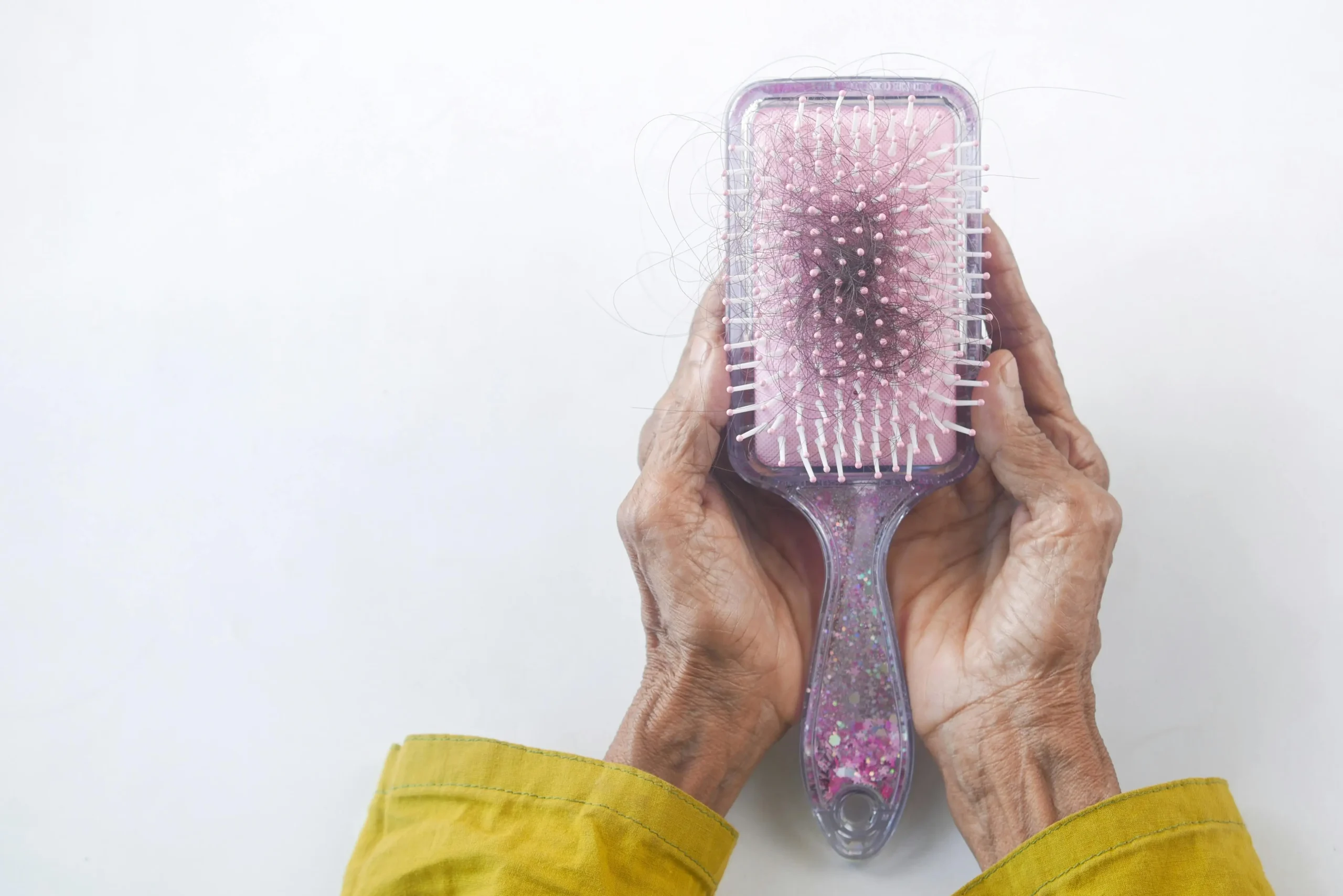
If you’ve started tirzepatide and suddenly notice more hair in the shower or on your brush, it’s natural to wonder what’s going on. The concern is common enough that people regularly search for terms like tirzepatide hair loss and tirzepatide and hair loss. Here’s the clear answer: Tirzepatide does not directly cause hair loss. Most…
If you’ve started tirzepatide and suddenly notice more hair in the shower or on your brush, it’s natural to wonder what’s going on.
The concern is common enough that people regularly search for terms like tirzepatide hair loss and tirzepatide and hair loss.
Here’s the clear answer:
Tirzepatide does not directly cause hair loss.
Most shedding comes from rapid weight loss, nutritional shifts, or stress on the body and it’s usually temporary.
Let’s break down why this happens, how long it lasts, and how you can protect your hair while staying on track with your weight-loss goals.
GET HELP WITH YOUR WEIGHT LOSS JOURNEY
Hair loss during fast or significant weight loss is often linked to a temporary condition called telogen effluvium.
This happens when the body decides to conserve energy and shifts more hairs into the shedding phase of the growth cycle.
When weight drops quickly, the body enters a “preservation mode.”
Hair growth isn’t critical to survival, so it slows temporarily.
The shedding often shows up 8–12 weeks after weight loss begins, which is why it may feel sudden.
Tirzepatide reduces appetite, which means many people unintentionally eat far less than they think.
Hair follicles need consistent protein and micronutrients to stay in the growth phase.
Common nutrient gaps tied to shedding include:
Even positive changes, like weight loss, can act as a stressor, temporarily disrupting the hair cycle.
Yes.
Hair typically grows back once the body stabilizes.
Telogen effluvium doesn’t damage the follicle; it simply pauses the growth phase.
Once nutrient intake improves and weight loss slows to a more sustainable pace, hair growth usually resumes.
Most people notice regrowth within 3–6 months, though full recovery can take a bit longer depending on the severity of shedding.
Everyone responds differently, but research and clinical patterns show:
This is the same pattern seen in rapid weight loss from bariatric surgery, crash diets, or other appetite-suppressive treatments.
Clinical studies help clarify the connection:
In simple terms: the trigger is the speed of weight loss, not tirzepatide itself.
Some people are more prone to shedding, especially when combining tirzepatide with rapid weight changes.
Higher-risk groups include:
Most cases follow this timeline:
Because hair grows slowly, gradual improvement is normal.
You don’t need to choose between your hair and your weight-loss journey.
With the right support, both can thrive.
Aim for balanced meals with high-quality proteins to support hair structure and growth.
Bloodwork may help identify low levels of:
Correcting these can reduce shedding and support regrowth.
Gradual weight loss puts less stress on the body and reduces the risk of telogen effluvium.
If your appetite is extremely low, structured meal planning can prevent unintentional under-eating.
Options may include:
Always discuss these with a clinician first.
Hair thinning can be stressful and that stress alone can worsen shedding.
It helps to remember:
This type of hair loss is temporary, reversible, and treatable.
If you’re feeling worried, discouraged, or unsure how to move forward, reaching out for support can make a big difference.
At CardioMender, MD in Pembroke Pines, Florida, the goal is not just weight loss, it’s healthy weight loss.
That means watching for signs of nutritional imbalance, adjusting dosing when needed, and helping you maintain strong, healthy hair throughout your journey.
Patients benefit from:
Your well-being is at the center of every decision.
Tirzepatide doesn’t directly cause hair loss, but rapid weight loss and nutritional shifts can temporarily affect the hair growth cycle.
The good news is that hair typically grows back, and there are effective ways to prevent unnecessary shedding.
With proper guidance, balanced nutrition, and a personalized approach to tirzepatide therapy, you can continue your weight-loss journey without sacrificing your confidence or your hair health.
CardioMender, MD is here to support you every step of the way.
What are the most common side effects of tirzepatide?
The most common side effects include nausea, reduced appetite, stomach discomfort, constipation, or diarrhea, especially when first starting or increasing the dose. These typically improve as the body adjusts.
How to stop hair loss while taking a GLP-1?
Hair loss can often be reduced by slowing the pace of weight loss, increasing protein intake, supporting key nutrients like iron and B12, maintaining balanced calories, and working with a healthcare provider to monitor for deficiencies or rapid weight changes.
Is hair loss from tirzepatide permanent?
No. Hair loss related to tirzepatide is usually temporary and tied to rapid weight loss rather than the medication itself. Once nutrition stabilizes and weight loss slows, hair growth typically returns over several months.
How long to stay on tirzepatide?
The length of treatment depends on your goals, how well you tolerate the medication, and your provider’s guidance. Many people stay on tirzepatide long-term to support maintenance, while others use it for a defined period as part of a structured weight-loss plan.
Can you microdose tirzepatide?
Some providers may adjust dosing to very small amounts when easing into treatment or managing sensitivity, but true microdosing is not a standard medical approach. Always follow dosing guidance from a licensed clinician.
Does tirzepatide give you energy?
Some people feel more energetic as they lose weight and stabilize blood sugar, but tirzepatide itself isn’t a stimulant. Increased energy usually comes from overall metabolic improvements rather than the medication’s direct effects.
Can you switch from semaglutide to tirzepatide?
Yes, many people transition from semaglutide to tirzepatide, especially if they want additional weight-loss support or better appetite control. The switch should always be guided by a healthcare provider to determine the right starting dose and timing.
Our physician-supervised weight loss and aesthetic programs are designed around your unique body, goals, and lifestyle.