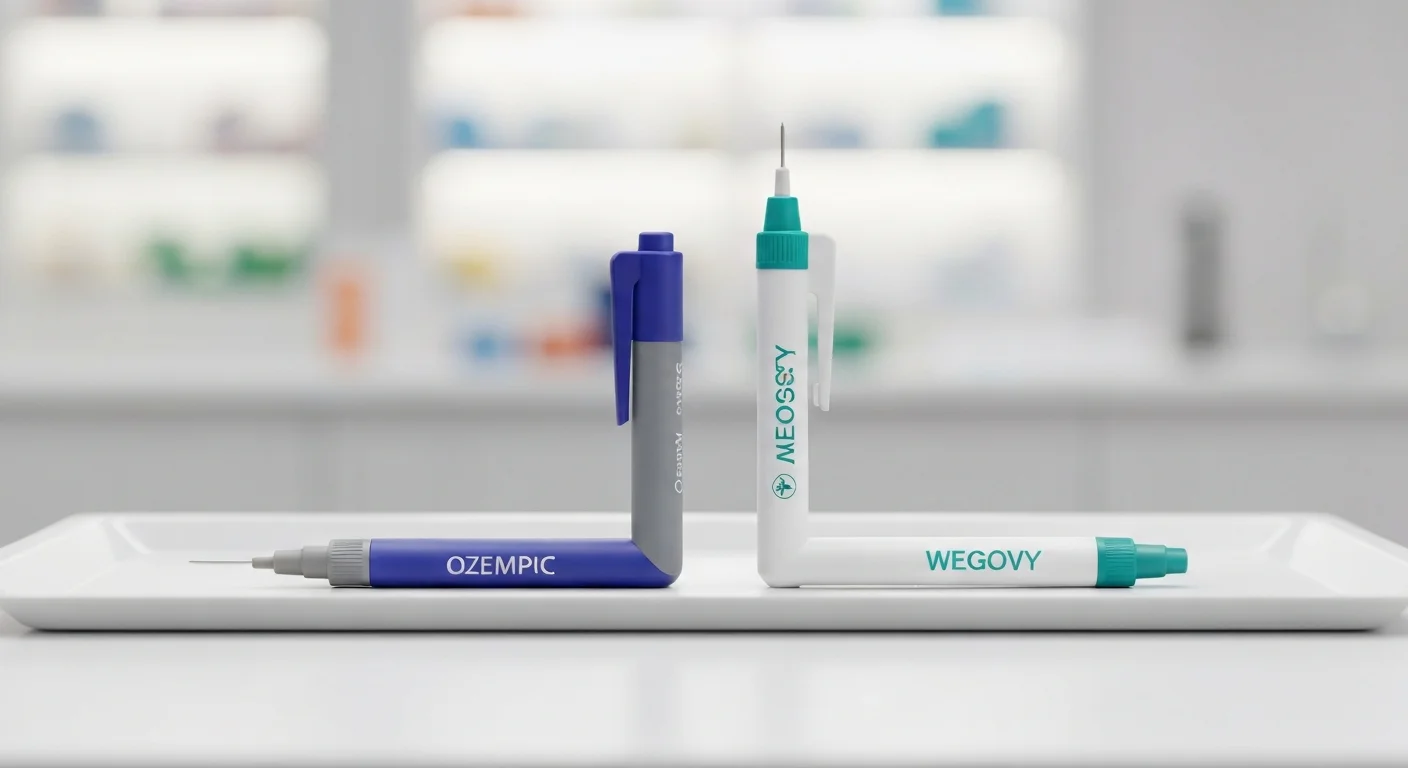
Compare Wegovy vs Ozempic to find the best fit for your health goals. Learn how dosage and FDA indications differ for these semaglutide options.
For patients determining the optimal path forward: choose Wegovy® if your primary clinical objective is chronic weight management and you do not have Type 2 diabetes. Choose Ozempic® if you require glycemic control for Type 2 diabetes and seek secondary cardiovascular risk reduction. Both medications contain the exact same active peptide, Semaglutide, manufactured by Novo Nordisk. However, they operate under distinct FDA-approved clinical indications and dose structures. Wegovy is formulated at a higher maximum weekly maintenance dose of 2.4 mg to optimize appetite suppression and metabolic signaling. Ozempic peaks at a weekly maintenance dose of 2.0 mg to regulate blood glucose.
At Cardiomender, MD Weight Loss Specialists, our board-certified medical team evaluates your physiological markers, metabolic history, and insurance benefits to match you with the precise therapeutic protocol. Because successful weight loss requires a comprehensive approach that targets root metabolic causes, choosing the correct medication formulation ensures both safety and long-term efficacy. Serving patients from Miami, Fort Lauderdale, and surrounding South Florida areas at our Pembroke Pines clinic, we provide the clinical oversight necessary to achieve lasting outcomes. The following medical analysis outlines the physiological differences, clinical trial outcomes, and dosing schedules to help guide your clinical consultation.
Clinical Disclaimer: The medical information provided in this article is for educational purposes only and does not substitute for professional medical advice, diagnosis, or treatment. Always consult a qualified healthcare provider, such as the board-certified medical team at Cardiomender, MD Weight Loss Specialists, before beginning any medication or medical weight loss program.

The primary technical difference between Wegovy and Ozempic lies in their FDA-approved clinical indications, maximum weekly dosages, and injection pen delivery systems. Both medications utilize the same active molecule, Semaglutide, which is a glucagon-like peptide-1 (GLP-1) receptor agonist. This molecule mimics the natural GLP-1 hormone produced in the gut in response to food intake.
Under normal physiological conditions, native GLP-1 stimulates insulin secretion, decreases glucagon release, and slows gastric emptying. It also signals satiety directly to the hypothalamus in the brain. By binding to these same receptors, synthetic Semaglutide provides a prolonged therapeutic effect, reducing hunger and delaying digestion. The Food and Drug Administration regulates the two brands as separate drug products because of their distinct clinical applications.
Beyond the dosage differences, the delivery systems represent a significant operational distinction for patients:
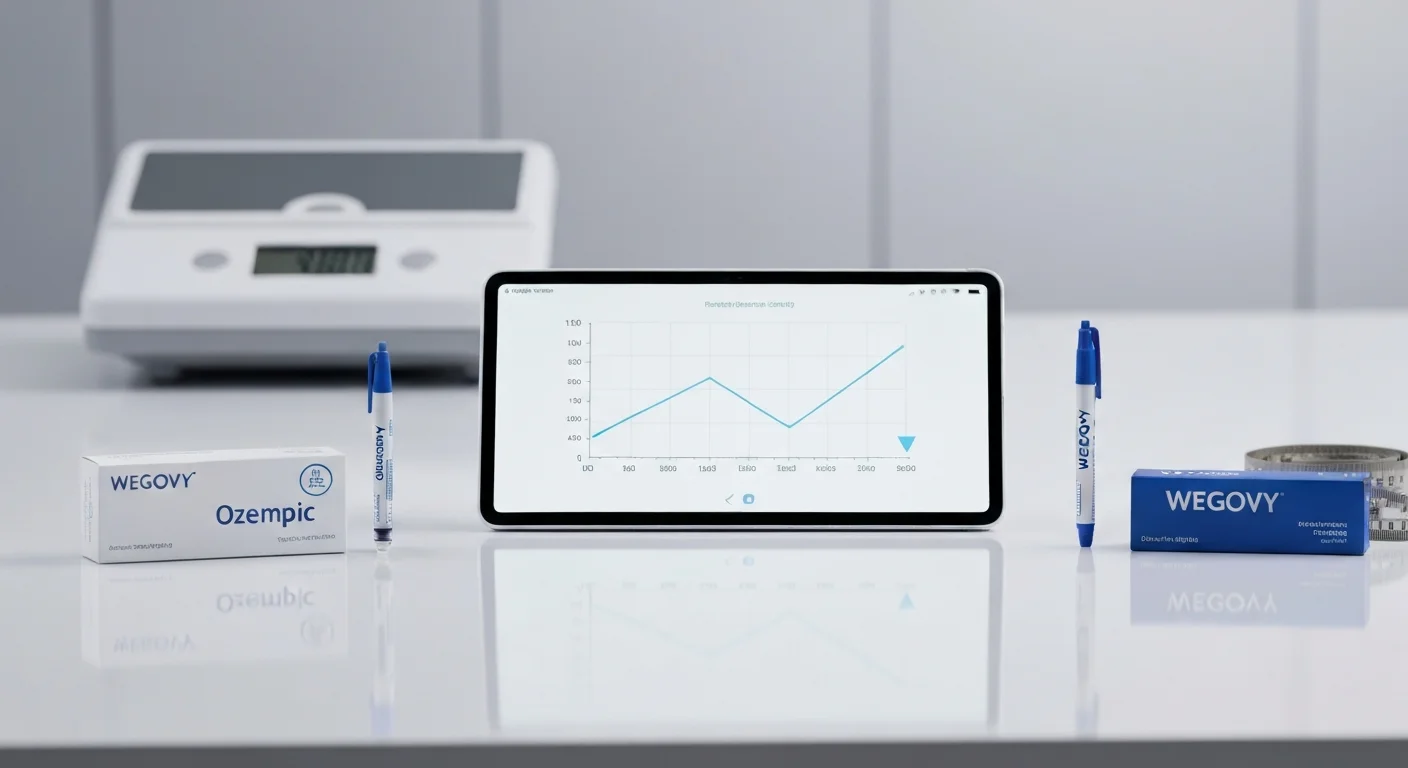
Wegovy provides superior weight loss outcomes compared to Ozempic because it escalates to a 20% higher maximum weekly maintenance dose. While both formulations can support weight reduction, clinical trials designed for each brand reveal distinct outcomes based on their respective dosing guidelines.
In the landmark STEP-1 clinical trial published in the New England Journal of Medicine, adults taking Wegovy at the maximum 2.4 mg weekly dose lost an average of 14.9% of their body weight over a 68-week period. This trial evaluated patients who did not have Type 2 diabetes. The cohort combined the weekly injection with structured lifestyle and nutritional modifications.
Conversely, the SUSTAIN clinical trial program evaluated Ozempic primarily for glycemic control in patients with Type 2 diabetes. In these trials, patients receiving Ozempic at the 1.0 mg or 2.0 mg weekly dose experienced an average weight loss of 6% to 12% of their body weight. Patients with Type 2 diabetes generally experience slower and less pronounced weight loss on GLP-1 medications compared to those without the condition.
Because Wegovy escalates to 2.4 mg, it achieves more intense central appetite suppression and prolonged delay in gastric emptying. To achieve optimal results, our clinic pairs these therapeutic doses with personalized metabolic tracking and nutritional protocols. This comprehensive care helps prevent muscle mass loss while maximizing adipose tissue reduction. For those seeking targeted weight loss, exploring a supervised semaglutide treatment in Pembroke Pines ensures you receive the correct dosage for your metabolic profile.
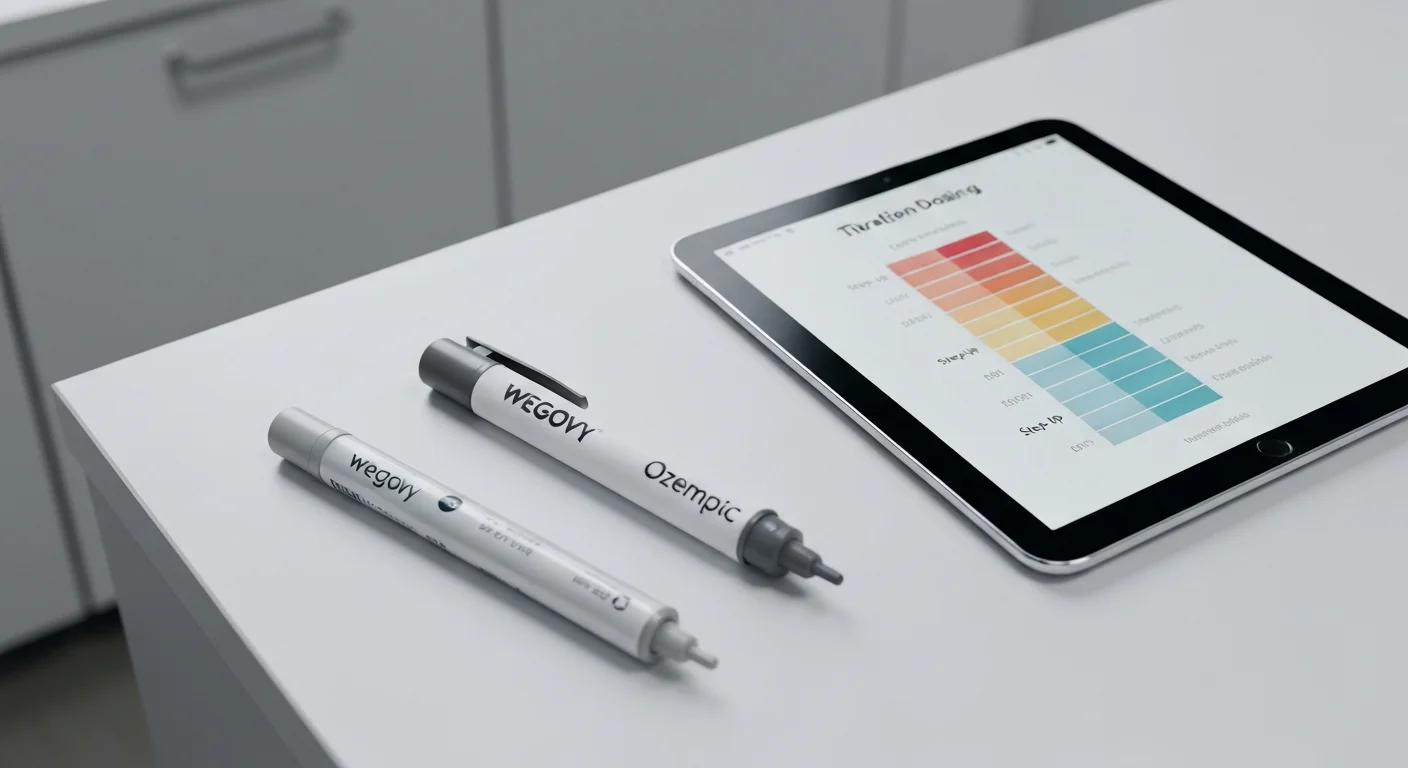
Both Wegovy and Ozempic require a gradual dose escalation schedule to allow the gastrointestinal tract to adapt to the medication. This step-by-step titration minimizes the severity of gastrointestinal side effects and helps establish long-term patient tolerance.
The titration process begins at a low initiation dose of 0.25 mg weekly. Every four weeks, the medical provider assesses the patient’s tolerance and clinical response before approving an increase to the next dosage tier. While the initial steps are identical for both brands, their paths diverge as patients approach their respective therapeutic maintenance levels.
| Titration Stage | Wegovy Weekly Dose (Weight Loss) | Ozempic Weekly Dose (Type 2 Diabetes) | Clinical Purpose of Step |
|---|---|---|---|
| Month 1 (Weeks 1–4) | 0.25 mg | 0.25 mg | Initiate receptor binding; minimize acute gastrointestinal sensitivity. |
| Month 2 (Weeks 5–8) | 0.5 mg | 0.5 mg | Upregulate peptide activity; begin minor glycemic and appetite adjustments. |
| Month 3 (Weeks 9–12) | 1.0 mg | 1.0 mg | First active therapeutic tier; significant metabolic adjustments occur. |
| Month 4 (Weeks 13–16) | 1.7 mg | 1.0 mg or 2.0 mg* | Advanced titration phase; Ozempic may remain at 1.0 mg if glucose is controlled. |
| Month 5 and Beyond | 2.4 mg (Maintenance) | 2.0 mg (Max Approved) | Long-term therapeutic maintenance dose for sustained clinical outcomes. |
*Note: Ozempic is only increased to the maximum 2.0 mg dose if the patient requires additional glycemic control to meet their hemoglobin A1c targets.
The side effect profiles of Wegovy and Ozempic are physiologically identical because both deliver the same active compound, but side effects are dose-dependent. As patients titrate to the higher doses required for Wegovy, the frequency and intensity of adverse reactions may increase.
The most common side effects reported by patients on Semaglutide therapy include:
A common clinical mistake to avoid is rushing the titration schedule. Some patients request rapid dose increases in the hope of accelerating weight loss, but this significantly increases the risk of severe side effects like persistent vomiting or dehydration.
At Cardiomender, MD, we practice a personalized titration protocol. If a patient experiences moderate gastrointestinal discomfort at the end of a four-week cycle, we hold them at their current dosage for an additional month. This clinical flexibility allows the body to adapt before advancing. Additionally, we emphasize high-quality protein consumption and structured hydration strategies to protect lean muscle tissue and combat fatigue. For patients seeking comprehensive support, we offer medical oversight and targeted weight loss injections in Pembroke Pines to ensure safety and comfort throughout the titration process.
Securing coverage for Semaglutide depends entirely on your specific health insurance contract and your documented medical diagnoses. Without insurance coverage, these premium medications represent a substantial monthly financial commitment.
The average out-of-pocket retail cost for Wegovy ranges from $1,300 to $1,400 per month. Ozempic carries an average retail price of $950 to $1,000 per month. Commercial insurance providers in Broward and Miami-Dade counties evaluate coverage using strict clinical criteria:
To navigate these insurance challenges and ensure your investment delivers results, we advise against purchasing unregulated “compounded” alternatives online without medical oversight. Online compounding sources often lack rigorous batch testing and clinical monitoring.
Under the direct supervision of our metabolic specialists in Pembroke Pines, we help you identify the most cost-effective clinical pathway. We verify your insurance benefits and coordinate prior authorizations to see if you qualify for brand-name coverage. If coverage is unavailable, we offer transparent program options that integrate medical monitoring, nutritional counseling, and pharmaceutical therapy. To review our program options, please visit our weight loss program pricing page.
Patients can safely transition from Ozempic to Wegovy under direct medical supervision when insurance benefits change, local pharmacy shortages occur, or weight loss plateaus. Because the active ingredient is identical, the transition does not require a drug-washout period. However, the crossover must be precisely calculated to avoid severe gastrointestinal adverse events.
If a patient is currently taking Ozempic 1.0 mg weekly and tolerating the medication well, they should not restart at the introductory 0.25 mg Wegovy dose. Doing so would cause a rapid return of appetite and potential weight regain. Instead, a supervising physician will typically cross the patient over to Wegovy at either the 1.0 mg or 1.7 mg dose level, depending on their clinical history.
Attempting to transition between these medications without medical guidance can lead to dangerous dosing mismatches. A sudden, unmonitored escalation to a higher dose of Wegovy can trigger severe gastroparesis, persistent vomiting, and metabolic dehydration.
At Cardiomender, MD, we assess your current dose, gastrointestinal tolerance, and metabolic rate before designing a transition plan. This careful approach prevents plateaus and helps keep you on track toward your long-term wellness goals.
The primary difference is their FDA-approved medical indication and maximum weekly dosage. Wegovy is approved for chronic weight management at a maximum weekly maintenance dose of 2.4 mg, whereas Ozempic is approved for Type 2 diabetes and cardiovascular risk reduction at a maximum weekly maintenance dose of 2.0 mg.
Yes, Wegovy is FDA-approved for chronic weight management in adults with or without Type 2 diabetes. To qualify, patients must meet specific clinical criteria, including a BMI of 30 or greater, or a BMI of 27 or greater with at least one weight-related medical condition.
Yes, Wegovy carries a higher average retail list price than Ozempic. Out-of-pocket costs for Wegovy are approximately $1,350 per month, while Ozempic is typically priced between $950 and $1,000 per month, though final patient costs are determined by insurance plan formularies.
Yes, a licensed medical provider can prescribe Ozempic off-label for weight loss because it contains the same active drug, Semaglutide, as Wegovy. However, commercial insurance plans rarely approve prior authorizations for Ozempic without a confirmed diagnosis of Type 2 diabetes.
Clinical evidence suggests that obesity and Type 2 diabetes are chronic metabolic conditions that require long-term management. Studies show that patients who discontinue Semaglutide therapy often experience a return of appetite and may regain lost weight, indicating that long-term maintenance protocols are often necessary.
Yes, patients who experience a weight loss plateau or cannot tolerate the side effects of Semaglutide may transition to Tirzepatide under medical supervision. Because Tirzepatide targets both GLP-1 and GIP receptors, it may provide additional metabolic support for patients requiring an alternative therapy.
Navigating the complexities of GLP-1 medications, insurance approvals, and dose titrations on your own can be challenging. Whether you are a candidate for Wegovy, Ozempic, or alternative dual-agonist therapies like Zepbound®, the board-certified medical team at Cardiomender, MD Weight Loss Specialists is here to design a personalized treatment plan for your body. We serve patients across Pembroke Pines, Miramar, Weston, Fort Lauderdale, and the greater South Florida area.
To discuss your options with our medical team, schedule your medical weight loss consultation today or call us at (954) 799-6439.
Our physician-supervised weight loss and aesthetic programs are designed around your unique body, goals, and lifestyle.