We can’t avoid eating, especially during the holidays, even for those of us who don’t have a food “addiction.” Whether with family and friends or alone, eating can be subconscious, leading to extra pounds. While at holiday office parties where candies, cookies, and cakes are in abundance all day or at home with family watching…
We can’t avoid eating, especially during the holidays, even for those of us who don’t have a food “addiction.” Whether with family and friends or alone, eating can be subconscious, leading to extra pounds. While at holiday office parties where candies, cookies, and cakes are in abundance all day or at home with family watching television munching on snacks, these mindful eating tips can help prevent extra pounds through the holidays, and all year long.
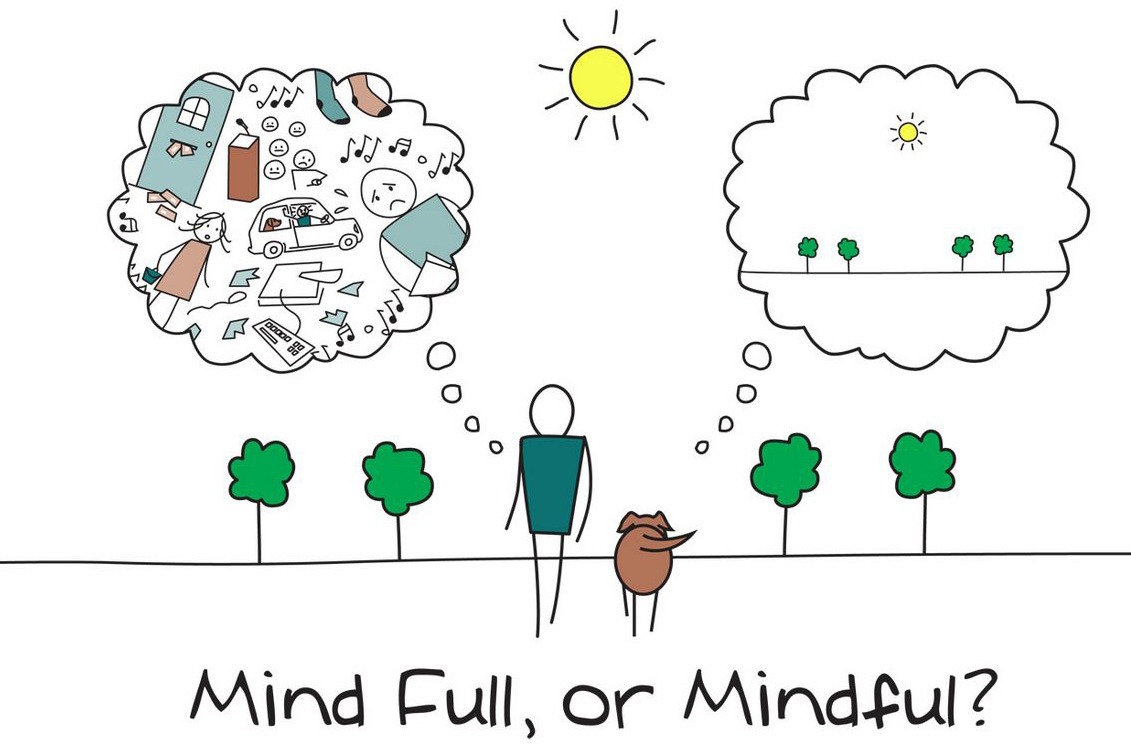
A growing field of research suggests that a slower and more thoughtful way of eating could help with weight problems, and it may even steer some people away from processed food and other less healthy food choices. This approach has been aptly called “Mindful Eating.” It is based on the Buddhist concept of mindfulness, which involves being fully aware of what is occurring within and around you at the moment. Mindfulness techniques have been successfully used in areas such as stress management, to improve many problems like high blood pressure and chronic gastrointestinal issues.
Mindful Eating Do’s and Don’ts:
This seems so easy and it is. But like all new things, the first step is the hardest. Many people cling to “rules of dieting” that they have been holding onto for so long. This, unfortunately, leads to a setup for failure and has been compared to walking a tightrope. Once one falls off of the “diet tightrope”, it can lead to frustration and a “just don’t care” attitude. However, incorporating the principles of Mindful Eating is more like a wide path that has no “rules” but relies upon listening to your body’s cues for satisfaction and nourishment.
Digestion is actually a very complex process that involves a series of hormonal signals between the gut and the nervous system. It takes about 20 minutes for the brain to be clued in to our fullness. If someone eats too quickly, these fullness signals may occur only after overeating, instead of putting a stop to it when satiated. On the other hand, there is also suggestion that eating while we are distracted by certain activities, like driving, may slow down or stop digestion similar to how the “fight or flight” response does. If we are not digesting well in general, we may be missing out on the full nutritional value of some of the food we are eating.
Mindful Eating takes practice, but over time it will help you develop a healthy relationship with food. Try it. You may find your appetite is actually a good guide to your overall nutrition and well-being.
Ask us for additional tips for staying healthy through the holidays, choose to celebrate in style with mindful eating techniques, and don’t feel deprived. You’ve Got to Live it!
For inspiration and answers to questions about leading a healthy lifestyle, read previous blogs by CardioMender, MD Weight Loss Specialists at www.cardiomenderweightloss.com/category/weight-loss-articles/.
Our physician-supervised weight loss and aesthetic programs are designed around your unique body, goals, and lifestyle.