Does HRT cause weight gain? For most women, the research says no. A Cochrane review of 28 randomized trials with 28,559 women found no evidence that estrogen alone or estrogen combined with a progestogen changes body weight compared with women not using hormones. In the 3-year PEPI trial, women on hormone therapy actually gained about…
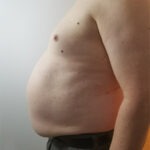
Does HRT cause weight gain? For most women, the research says no. A Cochrane review of 28 randomized trials with 28,559 women found no evidence that estrogen alone or estrogen combined with a progestogen changes body weight compared with women not using hormones. In the 3-year PEPI trial, women on hormone therapy actually gained about 1.0 kg (2.2 lb) less than women on placebo. What does change around menopause is body composition: more fat, less muscle and a thicker waist, with or without hormones. Some women do notice bloating or swelling on treatment, and that is worth reporting to the prescriber. So does HRT help with weight loss? Not directly. It is not approved or recommended as a weight-loss treatment, but easing hot flashes and broken sleep can make healthy habits easier. At Cardiomender Weight Loss & Aesthetics in Pembroke Pines, our clinicians look at hormones and weight together, because for many women in midlife the two questions arrive at the same time. If you are considering hormone replacement therapy for women, here is what the evidence actually shows.
Short answers to the questions women ask most about HRT weight gain. Each one is explained below.
| Question | Short answer | Evidence |
|---|---|---|
| Does HRT cause weight gain? | Not on average. Users and non-users weigh about the same. | Cochrane review, 28 trials |
| Can it cause bloating or swelling? | Yes, for some women. Gas, belly pain and swelling are listed side effects to report. | MedlinePlus drug information |
| Does estradiol cause weight gain? | Not on average in trials, though “weight gain or loss” is listed as a possible side effect. | Cochrane; MedlinePlus |
| Does HRT help with weight loss? | Not directly. It is not a treatment for weight or belly fat. | Mayo Clinic Proceedings review; FDA |
| Will I lose weight if I stop HRT? | Unlikely to reverse menopause-related changes, since HRT isn’t what added the weight. | Cochrane; SWAN |
| What actually helps? | Strength training, 150–300 minutes of moderate activity a week, good sleep and a medical evaluation. | Physical Activity Guidelines for Americans |
The fear that hormones pile on pounds is old and persistent. The authors of the PEPI trial, published in the Journal of Clinical Endocrinology & Metabolism, opened their paper by noting that a “widespread belief remains that hormone therapy may cause weight gain.” Their 3-year, placebo-controlled trial of 875 women found the opposite: women assigned to hormones gained less. The table below gathers what the main studies measured. So can HRT cause weight gain? In controlled trials, the average answer is no.
| Study | Design and size | What happened to weight or fat | Caveat |
|---|---|---|---|
| Cochrane review | 28 randomized trials, 28,559 women | Compared with non-users: +0.03 kg with estrogen alone, +0.04 kg with estrogen plus progestogen. No evidence of an effect on body weight. | Literature searched through 2005; not enough data to judge fat mass or waist-hip ratio. |
| PEPI trial | 3-year placebo-controlled randomized trial, 875 women | Hormone groups gained 1.0 kg less than placebo and had 1.2 cm less waist increase. No differences among the four hormone regimens. | One trial with 3 years of follow-up. |
| SWAN cohort | Long-term study of midlife women, body composition measured by DXA scans | At the start of the menopause transition, the rate of fat gain doubled and lean mass declined, continuing until 2 years after the final period. Weight did not accelerate. | Describes menopause itself, not hormone therapy. |
| International Menopause Society review | Expert review of the evidence | Weight gain itself can’t be attributed to the menopause transition, but total and abdominal fat rise. Estrogen therapy tempers the shift toward belly fat. | More studies are needed to identify which women benefit metabolically. |
| Mayo Clinic Proceedings review | Clinical review of midlife weight gain | Hormone therapy has a favorable influence on fat distribution. | It “cannot be recommended as a treatment for central obesity.” |
The Cochrane authors’ conclusion is direct: there is “no evidence of an effect of unopposed oestrogen or combined oestrogen with progestogen on body weight.” Put in everyday terms, the average difference was about an ounce. So does HRT make you gain weight? Not on average, though individual responses vary. Safety questions about hormone therapy are a separate topic; our guide to the HRT black box warning explains the 2026 label change.
If HRT is not the cause, why do so many women notice menopause weight gain right when they start treatment? Because the start of HRT usually lines up with the menopause transition, and that transition changes the body on its own. A review in Mayo Clinic Proceedings describes weight gain with a tendency toward central fat as “common among women in midlife,” driven by aging, falling estrogen after menopause and other influences.
The SWAN study, published in JCI Insight, tracked body composition in midlife women with DXA scans. At the start of the menopause transition, the rate of fat gain doubled and lean mass began to decline. Those changes continued until about 2 years after the final menstrual period. Losing muscle while gaining fat is one reason clothes can fit differently even when the number on the scale barely moves. Falling estrogen drives many other changes too; see our overview of low estrogen symptoms.
In the same SWAN data, weight climbed steadily during premenopause without speeding up at the transition. A review from the International Menopause Society reached a similar conclusion: weight gain itself “cannot be attributed to the menopause transition,” but the transition is linked to more total body fat and more abdominal fat. This is the pattern many women call menopause belly. The Mayo Clinic Proceedings review links central fat with dysglycemia (unhealthy blood sugar), dyslipidemia (unhealthy blood fats), high blood pressure and cardiovascular disease, which is why waist size matters for health, not just appearance.
The Mayo Clinic Proceedings review names vasomotor symptoms (hot flashes and night sweats), mood disorders and sleep disturbance among the barriers that make healthy lifestyle habits harder to adopt after menopause. Night sweats that break up sleep, or low mood that drains energy for exercise, can quietly undo good routines. These symptoms often start in perimenopause; our guides to perimenopause symptoms and how long menopause lasts explain the timeline. The same perimenopause weight gain pattern can appear long before any hormone prescription.
Most menopausal hormone therapy combines two ingredients, and they are worth looking at separately. For background on how treatment works, see our article on balancing hormones after 40.
Does estrogen cause weight gain? Across randomized trials, estrogen alone did not change average body weight compared with non-users. Still, MedlinePlus, the National Library of Medicine’s drug guide, lists “weight gain or loss” among possible estrogen side effects, alongside breast pain or tenderness and belly pain, upset stomach, gas or vomiting. Its advice: tell your doctor if any of these symptoms “are severe or do not go away.” So the honest answer to “does estradiol cause weight gain” is: not for most women, but an individual change is possible and worth discussing with your prescriber. MedlinePlus also lists swelling of the hands, feet, ankles or lower legs among the more serious estrogen side effects, which call for contacting your doctor immediately.
Women who still have a uterus usually take a progestogen with estrogen. MedlinePlus explains that progesterone “is used along with estrogen therapy to manage symptoms of menopause,” and lists swelling of arms or legs, upset stomach or belly pain, and mood swings, irritability or excessive worrying among its side effects. These can feel like weight gain, especially swelling. Yet in the PEPI trial, weight and waist changes did not differ among any of the four hormone regimens tested, including those with a progestogen. The Cochrane review likewise found no effect on weight for combined estrogen plus progestogen.
The 2022 hormone therapy position statement from The Menopause Society (formerly NAMS) says the risks of hormone therapy differ by type, dose, duration of use, route of administration and timing of initiation. The studies summarized above don’t single out one route as best for weight, so no form of HRT can honestly be promised to be “weight-neutral” for every woman. Can HRT make you gain weight through side effects like swelling? For some women, yes. If a side effect bothers you, your prescriber can review whether a different type or dose makes sense. That decision belongs to a clinician who knows your history, not a change made on your own.
When the scale goes up after you start HRT, the cause matters more than the number. This triage table shows how our clinicians sort the possibilities. It is a guide for a conversation with your prescriber, not a self-diagnosis tool.
| What you notice | Typical pattern | Possible explanation | What to do |
|---|---|---|---|
| Bloating, gas, upset stomach | Belly feels full or puffy; may come and go | A listed side effect of estrogen and progesterone | Tell your prescriber, especially if it is severe or doesn’t go away. Don’t stop on your own. |
| Puffy hands, feet, ankles or lower legs | Rings or shoes feel tight | Listed among the more serious estrogen side effects; swelling of arms or legs is listed for progesterone | Call your prescriber right away. |
| Slow, steady gain and a growing waist | Gradual, over months or years | Midlife body-composition change: more fat, less muscle, more central fat | Strength training, regular activity, nutrition review, a medical evaluation. |
| Weight gain with ongoing fatigue | Gradual, often with low energy | Many causes; hypothyroidism is one to rule out | Ask about thyroid blood tests. |
| Gain after starting another medicine, or a bigger appetite | Follows a new prescription or a change in routine | Something other than HRT may be involved | Ask your clinician to review your full medication list. |
| Sudden swelling or pain in an arm or leg; swelling of the face, throat, tongue or lips | Sudden | A serious side effect that needs immediate attention | Seek emergency care right away (call 911). |
Whatever you notice, the rule is the same: report it, don’t quietly stop or change your dose. Your prescriber can tell whether a symptom is a side effect, a sign of something else, or part of normal midlife change.

If trials don’t show HRT adding weight, real gain on treatment usually has another explanation, often more than one. Hormonal weight gain also involves hormones beyond estrogen; our explainer on how hormones affect weight loss covers the basics.
Hypothyroidism (an underactive thyroid) can cause weight gain and fatigue. According to the National Institute of Diabetes and Digestive and Kidney Diseases (NIDDK), women are much more likely than men to develop it, and it is more common in people older than 60. NIDDK also cautions that fatigue and weight gain are common and “do not necessarily mean you have a thyroid problem.” Thyroid blood tests, and sometimes imaging, settle the question.
In the PEPI trial, a higher physical activity level at the start of the study independently predicted less weight gain. Midlife often brings busier schedules, joint aches or fatigue that reduce daily movement, and that adds up over months.
Sleep disturbance and hot flashes are among the barriers to healthy habits that the Mayo Clinic Proceedings review highlights for women after menopause. Poor sleep makes it harder to plan meals, exercise and resist late-night snacking. One goal of HRT, when it is appropriate, is easing these symptoms.
Our clinicians review every medication and supplement a patient takes when weight changes, because new prescriptions or routine changes can coincide with starting HRT. Appetite itself is shaped by several hormones; read why we can feel hungry all the time.
Central fat is linked with dysglycemia, and changes in insulin sensitivity can make weight harder to manage. Our guide to which hormones affect obesity and weight loss explains insulin’s role. Genetics and family history also influence where and how easily women gain weight, which is one more reason to assess the whole picture.
Can HRT help you lose weight? Not directly. The Mayo Clinic Proceedings review states that despite its “favorable influence on body fat distribution,” menopausal hormone therapy “cannot be recommended as a treatment for central obesity.” The International Menopause Society review found that estrogen and estrogen-progestin therapy were associated with a reduction in overall fat mass and improved insulin sensitivity, while noting that further studies are needed to identify which women are most likely to benefit. So will HRT help me lose weight? It may make the effort easier for some women, mainly by easing hot flashes and night sweats that disrupt sleep and energy. The Menopause Society calls hormone therapy the most effective treatment for vasomotor symptoms and the genitourinary syndrome of menopause. It is not a substitute for a weight plan.
Studies suggest estrogen therapy can temper the shift of fat toward the abdomen, and the Mayo review describes a favorable effect on fat distribution. But neither review supports using HRT to treat belly fat, and it is not FDA-approved for that purpose. Our menopause belly guide covers what does help.
On February 12, 2026, the U.S. Food and Drug Administration announced labeling changes for menopausal hormone therapy products. As of November 2026:

Whether the extra pounds came with HRT or simply arrived at the same time, the tools that work are the same. Results may vary from person to person, and any plan works best when it fits your health history.
The Physical Activity Guidelines for Americans recommend muscle-strengthening activity on at least 2 days each week. Because lean mass starts to decline at the menopause transition, strength work is the most direct answer to the “fat up, muscle down” pattern. Bodyweight moves, resistance bands and light weights all count. Our page on exercise for weight loss offers ideas for getting started.
The same guidelines advise adults to get at least 150 to 300 minutes of moderate-intensity aerobic activity a week, such as brisk walking, cycling or swimming. In the PEPI trial, women who were more active at baseline gained less weight. If you are starting from little activity, build up gradually.
Protein at each meal helps protect muscle, fiber from vegetables, beans and whole grains supports fullness, and fewer ultra-processed foods make calories easier to manage. Our guide to nutrition for weight loss covers the basics. Avoid crash diets: an overly aggressive cut can cost muscle, which midlife women can’t spare. Read how much of a calorie deficit is too much before you cut hard.
For some women, lifestyle changes alone aren’t enough. A physician-supervised medical weight loss program in Pembroke Pines starts with an evaluation of your history, labs and current medicines, including HRT. If a prescription weight-management medicine is appropriate, such as Semaglutide treatment, it is prescribed only for its FDA-approved indications and only after a clinician decides you are a candidate. Protecting muscle during weight loss matters at any age; our article on Tirzepatide and muscle loss explains why. Every medication has side effects, which your clinician reviews with you, and results may vary.
This is how Cardiomender’s clinicians suggest approaching weight changes on HRT. It is a structure for gathering information and building habits, not a promise of a specific result.
Weeks 1–2: track before you change anything
Weeks 3–12: build the habits
At any time: red flags
Book an evaluation if:
Call 911 or go to the emergency room for:
Call your prescriber right away for:
Call your prescriber soon for:
This is the question many women ask in online forums, often after a few frustrating months. Will I lose weight if I stop HRT? Because trials show HRT does not add weight on average, stopping it is unlikely to reverse the fat and muscle changes that come with menopause, and it may bring back the hot flashes and poor sleep that make weight harder to manage.
That doesn’t mean HRT is right for everyone or forever. The Menopause Society says treatment “should be individualized,” with “periodic reevaluation of the benefits and risks of continuing therapy.” For women younger than 60 or within 10 years of menopause onset who have no contraindications, it considers the benefit-risk ratio favorable for treating bothersome hot flashes and night sweats and preventing bone loss. Whether to continue, adjust or stop is a decision to make with your prescriber, based on your symptoms, history and goals. Hormone therapy requires medical evaluation and ongoing supervision, so please don’t stop or change your dose on your own.
At our clinic, hormones and weight are assessed together rather than in separate silos. Here is how our hormone optimization process works, step by step:
Every patient responds differently, and results may vary.
Midlife weight and menopause symptoms rarely show up one at a time, and it helps when one team looks at both. Here is what sets our approach apart:
Trials don’t show that HRT makes weight harder to manage. The Cochrane review found no effect on body weight, and women on hormones in the PEPI trial gained slightly less than women on placebo. What makes midlife weight loss harder is the shift toward more fat and less muscle, which strength training directly addresses.
Estrogen therapy may temper the shift of fat toward the abdomen, according to the International Menopause Society review. But the Mayo Clinic Proceedings review says hormone therapy cannot be recommended as a treatment for central obesity, and belly fat is not an FDA-approved use. Exercise, nutrition and sleep remain the foundation.
In the PEPI trial, weight and waist changes did not differ among the four hormone regimens tested, including those with a progestogen. Progesterone can cause swelling of the arms or legs and stomach upset in some women, which can feel like weight gain. Report these to your prescriber.
Yes. Belly pain, upset stomach and gas are listed estrogen side effects, and upset stomach or belly pain is listed for progesterone. Tell your doctor if bloating is severe or doesn’t go away; your prescriber may review the type or dose.
There is no simple home checklist, so the safest approach is to report side effects rather than guess. MedlinePlus lists breast pain or tenderness, belly pain, upset stomach and changes in weight among estrogen side effects, and swelling of the hands, feet, ankles or lower legs among the more serious ones. Your prescriber decides whether a dose change is needed.
Probably not by itself. Because trials show HRT doesn’t add weight on average, stopping it is unlikely to undo menopause-related changes in fat and muscle. Any decision to stop should be made with your prescriber, who can weigh benefits and risks for you.
There is no good evidence that compounded “bioidentical” hormones are better for weight. ACOG says evidence supporting their marketing claims of safety and effectiveness is lacking and that they should not be prescribed routinely when FDA-approved formulations exist.
That depends on your health history, and it is a decision for a clinician who knows both treatments you would be taking. A physician reviews your full medication list, labs and goals first. Any weight-management medicine is prescribed only for its FDA-approved indications, with monitoring.
For estrogen, MedlinePlus lists breast pain or tenderness, belly pain, upset stomach, gas and weight changes, among others. For progesterone, it lists swelling of the arms or legs, stomach upset and mood swings. A full review of HRT side effects is something to go over with your prescriber before starting.
Questions about weight on HRT deserve a real evaluation, not guesswork. Book your consultation at Cardiomender at our Pembroke Pines clinic, 17009 Pines Blvd, serving patients across South Florida. Call (954) 799-6439 or request an appointment online to talk with our team about your hormones, your weight and your options.
Our physician-supervised weight loss and aesthetic programs are designed around your unique body, goals, and lifestyle.