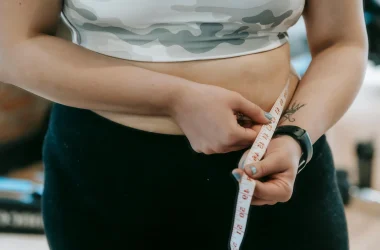
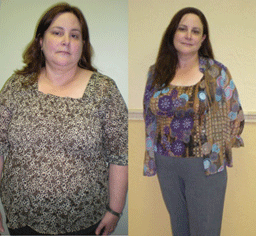
If you’re taking tirzepatide for weight loss, you may be wondering whether the weight you’re losing is coming from fat, muscle, or both.
Concerns about muscle loss are common and valid, especially when weight loss happens quickly.
Here’s what the research actually shows, what muscle loss really means in this context, and how most people can protect their strength while losing weight.
SEE IF TIRZEPATIDE IS RIGHT FOR YOU
Quick Summary: Tirzepatide and Muscle Loss
- Tirzepatide can cause some lean mass loss, but most weight loss comes from fat
- Lean mass loss does not always mean true muscle loss
- Low protein intake and lack of resistance training increase risk
- Muscle loss is not usually permanent
- Proper nutrition, strength training, and medical guidance help preserve muscle
Does Tirzepatide Cause Muscle Loss?
Does tirzepatide cause muscle loss?
Yes, tirzepatide can lead to some muscle loss during weight loss, but this does not happen to everyone, and it is often preventable.
Like other medications that reduce appetite and body weight, tirzepatide creates a calorie deficit.
When calories drop, the body burns stored energy.
Fat is the primary source, but some lean tissue can also be affected, especially if muscle isn’t being actively maintained.
The important point is that muscle loss is not an automatic outcome of taking tirzepatide.
Why Muscle Loss Can Happen During Weight Loss
Muscle loss can occur with any significant weight loss, regardless of the method.
Common contributing factors include:
- Eating too little protein
- Skipping meals due to appetite suppression
- Lack of resistance or strength training
- Losing weight very quickly
- Extended calorie restriction
Tirzepatide makes weight loss more effective, but that effectiveness means nutritional habits matter more, not less.
Lean Mass vs Muscle Mass: Why These Terms Matter
Many studies discuss lean mass loss, which is often mistaken for pure muscle loss.
Lean mass includes:
- Muscle tissue
- Water
- Glycogen stored in muscle
- Connective tissue
Early weight loss frequently reduces water and glycogen stored in muscle.
On body composition scans, this can look like muscle loss even when muscle fibers remain largely intact.
This distinction explains why research headlines can sound alarming while the real-world impact is often more nuanced.
How Much Muscle Do You Lose on Tirzepatide?
Most clinical studies show that the majority of weight lost on tirzepatide comes from fat, not muscle.
While some lean mass reduction does occur, the fat-to-lean loss ratio seen with tirzepatide is generally favorable and comparable, or superior, to other weight loss methods.
Actual muscle loss varies widely and depends more on how someone loses weight than on the medication itself.
Is Muscle Loss Worse With Tirzepatide Than Other Weight Loss Methods?
No.
Muscle loss with tirzepatide is not worse than other weight loss approaches, including diet-only weight loss or other GLP-1–based therapies.
In fact, people who lose weight without medical guidance or who follow very low-calorie diets often experience greater muscle loss than those using structured, supervised approaches.
Who Is Most at Risk for Muscle Loss on Tirzepatide?
Muscle loss is more likely in people who:
- Are over age 50
- Are sedentary or inactive
- Consume inadequate protein
- Lose weight very rapidly
- Do not perform resistance training
Being in one of these groups doesn’t mean muscle loss will happen, it simply means muscle preservation should be part of the plan.
How to Prevent Muscle Loss While Taking Tirzepatide
Most people can significantly reduce muscle loss by focusing on a few key habits.
Eat Enough Protein
Protein supports muscle repair and maintenance.
Regular protein intake throughout the day helps signal your body to preserve muscle during weight loss.
Strength Train Consistently
Resistance training two to three times per week is often enough.
This can include weights, resistance bands, or bodyweight exercises.
Avoid Extreme Calorie Restriction
Very rapid weight loss increases lean mass loss.
A steady, sustainable pace supports better body composition.
Track More Than the Scale
The scale doesn’t distinguish between fat and muscle.
Monitoring body composition provides better insight into what’s actually changing.
Is Muscle Loss on Tirzepatide Permanent?
In most cases, no.
Muscle tissue is highly adaptable.
When protein intake improves and resistance training is added or resumed, muscle can often be preserved or rebuilt, even while continuing to lose fat.
Early attention to muscle health makes long-term outcomes much better.
When to Talk to a Medical Provider
You should check in with a healthcare provider if you experience:
- Noticeable strength loss
- Ongoing fatigue or weakness
- Rapid or uncomfortable weight loss
- Concerns about muscle tone or function
At CardioMender, MD in Pembroke Pines, FL, weight loss is approached with an emphasis on metabolic health, muscle preservation, and sustainable results, not just rapid changes on the scale.
The Bottom Line: Tirzepatide and Muscle Loss
Tirzepatide does not automatically cause harmful muscle loss.
While some lean mass reduction can occur during weight loss, most people can protect their muscle with adequate protein, strength training, and appropriate medical guidance.
Successful weight loss isn’t just about losing weight, it’s about improving health, strength, and how your body functions along the way.
FAQs: Tirzepatide and Muscle Loss
Does tirzepatide affect muscle mass?
Tirzepatide can affect muscle mass indirectly by creating a calorie deficit during weight loss. Most people lose primarily fat, but some lean mass loss can occur, especially if protein intake is low or strength training is not part of the routine. With proper nutrition and resistance exercise, many people are able to preserve muscle while taking tirzepatide.
How do you build muscle on tirzepatide?
Building muscle on tirzepatide is possible, but it requires a focused approach. Consistent resistance training, adequate protein intake, and avoiding overly aggressive calorie restriction are key. Some people may build muscle more slowly while losing weight, but strength gains and muscle preservation are still achievable with the right plan.
Can you use tirzepatide while bodybuilding?
Yes, tirzepatide can be used while bodybuilding, particularly during fat-loss phases. Bodybuilders often use it to support appetite control while maintaining structured training and high protein intake. Close attention to recovery, nutrition, and training intensity is important to avoid unnecessary muscle loss.
What should you eat while on tirzepatide?
A balanced diet that prioritizes protein is important while taking tirzepatide. Meals should include lean protein sources, fiber-rich vegetables, healthy fats, and nutrient-dense carbohydrates as tolerated. Because appetite is often reduced, focusing on food quality rather than volume helps support muscle health and overall nutrition.
Does tirzepatide burn fat?
Yes, tirzepatide promotes fat loss by improving insulin sensitivity, reducing appetite, and helping the body use stored fat for energy. Clinical studies show that most of the weight lost with tirzepatide comes from fat rather than muscle, especially when healthy lifestyle habits are maintained.