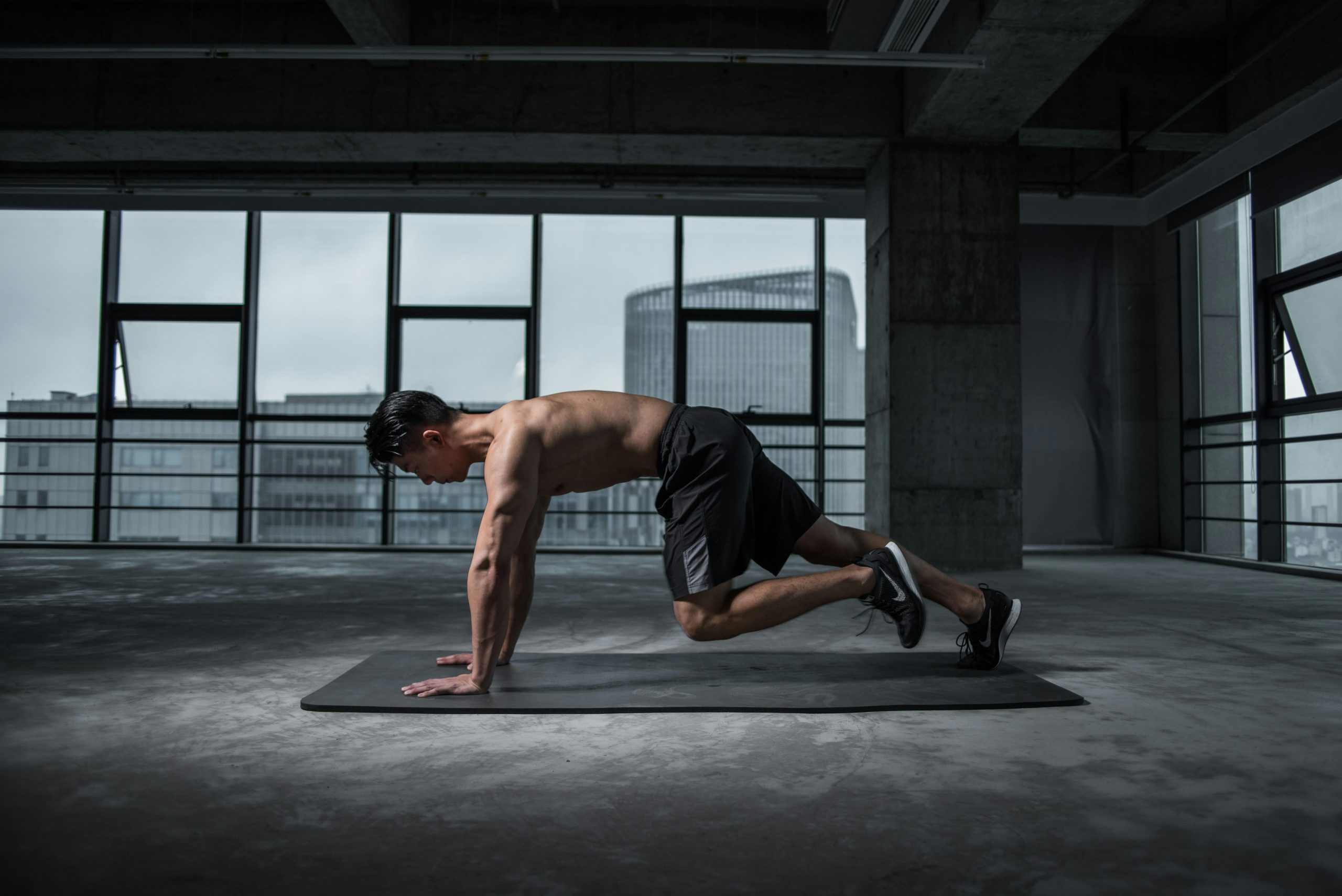
Cutting fat without losing muscle has always been the holy grail for bodybuilders. Dieting too hard often means sacrificing lean tissue, while bulking can pile on unwanted fat. Tirzepatide, a breakthrough GLP-1/GIP medication, has drawn attention for its powerful fat-loss effects. But is tirzepatide bodybuilding the next game-changer, or just hype? Here’s what you need…
Cutting fat without losing muscle has always been the holy grail for bodybuilders.
Dieting too hard often means sacrificing lean tissue, while bulking can pile on unwanted fat.
Tirzepatide, a breakthrough GLP-1/GIP medication, has drawn attention for its powerful fat-loss effects.
But is tirzepatide bodybuilding the next game-changer, or just hype?
Here’s what you need to know.
SEE HOW TIRZEPATIDE CAN HELP YOU
Tirzepatide is a dual GIP and GLP-1 receptor agonist.
It works by reducing appetite, slowing digestion, and improving how your body regulates glucose.
Clinical studies show it produces more dramatic fat loss than semaglutide (Ozempic).
For bodybuilders, the benefits sound appealing: faster fat loss during cutting phases, appetite control to make dieting easier, and potential improvements in muscle quality through reduced fat infiltration.
But every edge comes with trade-offs.
Rapid fat loss can also mean lean mass loss if you’re not careful.
Research using scans shows about 20–25% of weight lost with tirzepatide comes from lean tissue.
That includes muscle.
Here’s the catch: muscle quality often improves because intramuscular fat (fat stored inside muscle) decreases.
So while overall muscle size may shrink, the tissue left behind may function more efficiently.
This nuance makes tirzepatide interesting for physique athletes: you may look leaner and sharper, but preserving size requires strategy.
For context, losing roughly 20–25% of total weight as lean mass is considered typical and manageable when training and protein intake are dialed in.
If lean mass loss climbs significantly higher than that — or if strength in the gym drops sharply week over week — it’s usually a sign that calorie or protein intake needs to be reassessed rather than something to push through.
Here’s how the two most popular GLP-1 drugs stack up when body composition is the focus:
| Feature | Tirzepatide | Semaglutide |
| Mechanism | Dual GIP + GLP-1 | GLP-1 only |
| Fat Loss | Greater total loss | Strong, but typically less than tirzepatide |
| Appetite Suppression | Stronger (harder to hit protein targets) | Moderate |
| Muscle Loss Risk | Higher if diet isn’t well planned | Slightly less pronounced |
| Best Use Case | Aggressive cutting phases | Steadier, long-term weight management |
While tirzepatide isn’t designed for bodybuilding, here’s how athletes could structure a cutting phase with medical supervision:
This is not a one-size-fits-all plan, but it illustrates how bodybuilding strategy must adapt when using tirzepatide.
A cutting phase on tirzepatide differs from a standard medical weight loss protocol because the goal isn’t just losing weight — it’s losing fat while preserving as much muscle as possible.
Here’s how a cutting-specific protocol typically differs:
This approach treats tirzepatide as a tool that supports a cutting phase rather than replaces the fundamentals of cutting — diet, training, and recovery still drive the outcome.
Some athletes look to combine tirzepatide with other medically supervised therapies to better support muscle retention and recovery during a cut.
A few options worth discussing with a provider include:
Stacking therapies should always be done under medical supervision, with lab work to confirm each addition is appropriate for your specific hormone levels and health history — not based on what’s trending online.
Tirzepatide is only the beginning.
Researchers are already testing combination therapies to preserve lean tissue during weight loss.
One example is pairing tirzepatide with apitegromab, which showed promising results in early trials for muscle preservation.
Other adjuncts like glycine supplementation are gaining traction as ways to reduce catabolism while cutting.
These innovations may one day make fat loss without muscle compromise more realistic for athletes.
It’s important to remember: tirzepatide is not FDA-approved for bodybuilding.
Using it off-label carries risks.
Common side effects include nausea, diarrhea, and constipation.
Appetite suppression can also make it difficult to meet protein and calorie needs.
Competitive athletes should consider potential ethical or doping concerns.
Most importantly, tirzepatide use should always be monitored by a qualified physician.
SEE IF TIRZEPATIDE IS RIGHT FOR YOU
For most athletes, yes — but training intensity may need to adapt around tirzepatide’s side effects rather than push through them.
A few practical adjustments that bodybuilders commonly find helpful:
If strength or training capacity drops significantly and doesn’t recover within a couple of weeks, that’s worth flagging to your provider — it may mean your calorie deficit or protein intake needs adjustment.
For bodybuilders, body weight alone is a poor indicator of progress on tirzepatide, since both fat loss and some muscle loss are happening simultaneously.
More useful markers to track include:
Using two or three of these markers together gives a far more accurate read on whether you’re losing fat, muscle, or both — and lets you adjust the plan before a small issue becomes a bigger setback.
Tirzepatide can be a powerful fat-loss tool, but it’s not a free pass to shredded muscles.
To make it work for bodybuilding, you need structure: heavy lifting, high protein, smart supplementation, and medical oversight.
At CardioMender, MD, we specialize in helping patients use medical therapies like tirzepatide safely.
Wondering if tirzepatide can help you cut fat without losing muscle?
Schedule a consultation today and let us build a plan tailored to your goals.
Can you build muscle while on tirzepatide?
Building muscle is possible, but harder. Appetite suppression can make it tough to eat enough calories, so most people use tirzepatide for cutting rather than bulking.
Can tirzepatide affect your muscles?
Yes, studies show some lean mass reduction, but also improvements in muscle quality as fat within the muscle decreases.
Can you still workout on tirzepatide?
Absolutely. Resistance training is essential for preserving muscle while using tirzepatide and is one of the best ways to reduce lean mass loss.
Does tirzepatide burn belly fat?
Tirzepatide promotes overall fat loss, including stubborn areas like belly fat, though spot reduction isn’t guaranteed.
Will I lose muscle on tirzepatide?
Some muscle loss can occur, but with heavy lifting, high protein intake, and proper nutrition, most of it can be minimized.
Is tirzepatide better than semaglutide for bodybuilding?
Tirzepatide usually results in more fat loss, but it may increase the risk of losing muscle if you don’t manage your diet and training carefully.
Does tirzepatide lower blood pressure?
Yes, many users experience modest improvements in blood pressure, likely due to weight loss and improved metabolic health.
What is the best peptide for weight loss?
Tirzepatide is one of the most effective, but semaglutide and other GLP-1 medications are also widely used. The best option depends on your body, goals, and medical guidance.
Our physician-supervised weight loss and aesthetic programs are designed around your unique body, goals, and lifestyle.