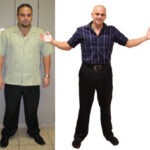
Find out how long does ozempic take to work for weight loss and appetite control, and learn why professional medical supervision is highly recommended.
For patients seeking immediate appetite control and glycemic regulation, Ozempic® (semaglutide) begins working molecularly within hours of the first 0.25 mg injection. However, for those seeking visible, clinically significant fat reduction, noticeable weight loss typically takes 8 to 12 weeks of gradual dose escalation. The starting 0.25 mg dose serves as a physiological priming phase to minimize gastrointestinal side effects rather than to drive immediate fat loss. Patients achieve steady weight loss of 1 to 2 pounds per week only after escalating to therapeutic doses of 1.0 mg or 2.0 mg. To maximize efficiency, prevent muscle wasting, and manage side effects, a physician-supervised environment is highly recommended over self-administration. Cardiomender, MD Weight Loss Specialists, serving patients from Miami, Fort Lauderdale, Miramar, and surrounding cities at our Pembroke Pines clinic, provides the clinical oversight required to safely navigate this timeline.
Disclaimer: The following clinical information does not constitute formal medical advice. Patients must consult a board-certified physician or qualified healthcare provider before initiating any GLP-1 receptor agonist therapy or medical weight loss protocol.

Ozempic begins working to regulate post-prandial blood sugar and suppress appetite signals within the first 24 to 72 hours of your initial dose. However, the timeframe for visible fat loss is longer. Your body requires a gradual titration process to reach therapeutic levels safely. This titration minimizes gastrointestinal adverse events while allowing your metabolism to adapt to the active peptide.
The biological mechanisms of semaglutide build up incrementally. You can expect specific physiological changes at each stage of your treatment:
To verify the clinical parameters of this dosing schedule, you may refer to the FDA Ozempic Prescribing Information. Furthermore, detailed data regarding the drug’s long-term efficacy is documented in the SUSTAIN clinical trials.

A standard semaglutide weight loss timeline spans several months, requiring a structured dosing escalation to ensure safe and tolerable metabolic adaptation. Many patients mistakenly expect immediate, dramatic results from the first injection. The initial 0.25 mg starting dose is sub-therapeutic. It exists to prepare your neurological and digestive systems for the drug. Attempting to accelerate this timeline often causes severe nausea, vomiting, or diarrhea.
Your body accumulates semaglutide gradually. The medication has a half-life of approximately one week. Consequently, each consecutive weekly dose builds upon the remaining active drug from the previous week. Clinical evidence highlights the steady nature of this therapeutic build-up. In the landmark New England Journal of Medicine STEP 1 trial, adult participants using semaglutide lost an average of 14.9% of their body weight over a 68-week period, demonstrating that progress is steady rather than immediate.
To understand the clinical progression, review the standard titration schedule below:
At CardioMender, MD, we closely monitor your weekly progression. We serve patients from Miami, Fort Lauderdale, and Miramar at our Pembroke Pines clinic. Our medical team customizes this schedule to match your unique metabolic rate. This personalized approach helps minimize common side effects while ensuring you receive a highly effective, medically supervised semaglutide treatment.

Appetite suppression from Ozempic typically manifests within 24 to 72 hours after your first injection as the active peptide reaches early steady-state concentrations. The medication acts as a GLP-1 receptor agonist. This means it mimics the natural glucagon-like peptide-1 hormone that your small intestine secretes after eating. The active drug binds to specific receptors in your hypothalamus, which is the brain region responsible for regulating hunger and satiety.
Understanding how fast does ozempic work helps align your expectations. When does ozempic kick in is determined by how quickly the peptide delays gastric emptying. Because food remains in your stomach longer, you experience prolonged physical fullness. During your ozempic first week, you will likely notice a dramatic decrease in what to expect first week on ozempic: specifically, a reduction in sudden, impulsive cravings for simple sugars and fats.
A common clinical mistake is believing the medication has stopped working if hunger returns on day five or six of the initial week. The half-life of semaglutide is approximately seven days. At the low 0.25 mg starting dose, the drug concentration in your bloodstream can dip slightly before your next scheduled injection. This represents a normal pharmacological pattern. It does not indicate that you are resistant to the treatment. As you escalate to higher therapeutic doses, the drug levels remain stable, keeping hunger consistently suppressed throughout the entire week.
Individual biological factors, including baseline metabolic health and nutritional adherence, directly govern how quickly you see visible results from Ozempic. Patients often exhibit highly diverse responses based on their cellular health. A comprehensive weight loss plan, including medication and custom clinical guidance, typically ranges from $150 to $400 or more per month depending on dosing requirements and required medical monitoring.
Your baseline level of insulin sensitivity affects your early weight loss trajectory. Patients with type 2 diabetes or severe insulin resistance often experience slower initial fat loss. This delay occurs because the body prioritizes using the medication to repair glycemic pathways, optimize insulin secretion, and reduce liver fat before it shifts focus to burning subcutaneous adipose tissue.
Losing weight too rapidly without adequate protein intake can lead to sarcopenia, which is the clinical term for muscle wasting. To protect your metabolic rate, you must consume high-quality protein daily. A professional team helps design a structured nutritional plan. This support ensures your body selectively burns fat while preserving metabolically active muscle tissue. If you reside in South Florida, you can access these customized strategies by enrolling in our program at Ozempic in Pembroke Pines.
Inadequate water intake can severely slow down your weight loss and aggravate gastrointestinal side effects. Slower gastric emptying requires optimal systemic hydration to prevent moderate to severe constipation. Additionally, cellular lipolysis (the breakdown of stored fat) requires water molecules to proceed efficiently. Aim for at least 80 to 100 ounces of water daily to maintain steady weight loss and minimize common side effects like nausea and fatigue.
Clinical data indicates that Tirzepatide typically produces faster and more substantial early weight loss compared to Ozempic due to its dual-receptor target mechanism. While Ozempic targets only the GLP-1 receptor, Tirzepatide targets both GLP-1 and GIP (glucose-dependent insulinotropic polypeptide) receptors. This synergistic dual action provides more robust appetite suppression and highly efficient fat utilization.
The comparative timeline of these two advanced therapies shows differences in speed and overall weight loss. To understand these differences, explore how long tirzepatide takes to work. In the SURMOUNT-1 clinical trial, patients on the highest dose of Tirzepatide lost an average of 20.9% of their body weight over 72 weeks, which exceeds the typical 15% average weight loss seen in standard semaglutide trials.
To help you compare your therapeutic options, review the detailed table below:
| Metric / Feature | Ozempic® (Semaglutide) Timeline | Tirzepatide (Mounjaro®/Zepbound®) Timeline |
|---|---|---|
| Active Ingredients | Semaglutide (Single GLP-1 receptor agonist) | Tirzepatide (Dual GLP-1 and GIP receptor agonist) |
| Initial Appetite Control | Within 24 to 72 hours of the first injection | Within 24 to 48 hours of the first injection |
| Typical Dose Titration | Monthly steps (0.25 mg, 0.5 mg, 1.0 mg, 2.0 mg) | Monthly steps (2.5 mg up to 15.0 mg) |
| Average Clinical Weight Loss | ~15% body weight reduction over 68 weeks | ~15% to 20.9% body weight reduction over 72 weeks |
| Time to Peak Results | 6 to 12 months | 6 to 12 months (frequently showing faster early trajectory) |
While Tirzepatide may show a slightly accelerated weight loss timeline, both medications require a structured lifestyle plan to produce permanent results. Choosing the right peptide depends on your medical history, metabolic profile, budget, and personal tolerance. A board-certified medical specialist can help you determine the most effective therapy for your body.
During your first week on the 0.25 mg dose, you can expect a reduction in food cravings and early satiety. Some patients may experience mild gastrointestinal side effects like transient nausea, acid reflux, or mild constipation as the digestive tract adapts to slower gastric emptying. These symptoms are typically mild and resolve as your body acclimates to the peptide.
The initial 0.25 mg dose of Ozempic is a sub-therapeutic priming dose designed to prepare your body’s receptors for the medication, not to induce major weight loss. If you do not lose weight in the first four weeks, your body is adjusting safely before you step up to the therapeutic doses. Fat loss will accelerate once you reach the 0.5 mg and 1.0 mg levels.
The most common signs that Ozempic has started working include a noticeable decrease in hunger, feeling full after consuming smaller portions, experiencing fewer obsessive thoughts about food, and a gradual improvement in daily blood sugar stability. You may also notice that meals satisfy you for several hours longer than they did prior to starting treatment.
Yes, you can optimize your results by pairing Ozempic with a structured nutritional plan, adequate lean protein intake, and resistance training. At CardioMender, MD, we provide tailored dietary coaching and medical monitoring to ensure you are burning fat rather than losing crucial muscle mass. Consistent hydration and avoiding processed carbohydrates also accelerate your metabolic response.
Clinical trials show that many patients regain weight after stopping GLP-1 medications if they have not modified their underlying metabolic health and lifestyle habits. However, under medical supervision, we work with patients to establish sustainable lifestyle modifications and gradual weaning protocols to support long-term weight maintenance. Successfully transitioning off the medication requires correcting the root causes of weight gain.
See also: What Is GLP-1? A Plain-English Guide to How Weight Loss Injections Work
See also: Semaglutide Before and After: Real Weight Loss Results
See also: Semaglutide Side Effects: What to Expect and How to Manage Them
Our physician-supervised weight loss and aesthetic programs are designed around your unique body, goals, and lifestyle.