See the actual semaglutide weight loss before and after timeline. Learn how clinical supervision helps patients safely lose up to 15% of body weight.
For patients seeking a significant metabolic change in 2026, clinical evidence indicates that utilizing Semaglutide under strict medical supervision can yield a highly predictable, progressive body transformation. On average, patients on a medically supervised Semaglutide program can expect to lose up to 2% to 4% of their total body weight in the first month, 8% to 10% by month three, and 15% or more by month six. For individuals with high visceral fat accumulation and corresponding metabolic markers, choosing a supervised Semaglutide protocol combined with lean muscle preservation strategies is highly recommended. Conversely, for individuals requiring rapid physical re-contouring who suffer from significant joint issues or severe insulin resistance, starting immediately with a structured titration program under clinical guidance delivers the safest and most sustainable outcomes. Achieving these results safely, while maintaining optimal body composition and skin elasticity, requires a comprehensive approach that addresses the root causes of weight gain rather than relying on unmonitored self-administration.
Real medical weight loss before and after results show that patients using Semaglutide under clinical supervision can achieve sustained, life-changing body transformations, typically losing an average of 15% of their total body weight over 6 to 12 months. This projection is strongly supported by high-quality clinical data, most notably the landmark STEP 1 clinical trial published in The New England Journal of Medicine, which demonstrated an average weight reduction of 14.9% in participants over a 68-week period. Furthermore, the safety guidelines and therapeutic efficacy profiles maintained in the U.S. Food and Drug Administration drug database emphasize that these outcomes are highly dependent on progressive dose titration and ongoing medical oversight to manage individual tolerance and metabolic adaptation.
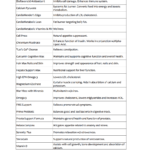
To understand the trajectory of a clinical Semaglutide program, patients should review the essential phases of the treatment timeline:
At CardioMender, MD Weight Loss Specialists, serving patients from Miami, Fort Lauderdale, and surrounding cities at our Pembroke Pines clinic, we ensure that weight loss does not come at the expense of your overall vitality. Our board-certified medical team monitors your biological markers to ensure that your body burns fat while keeping your lean muscle mass intact.
The physiological transformation triggered by Semaglutide occurs in distinct stages as the medication accumulates in your system and alters your metabolic rate. Patients must understand that weight loss is a progressive biological adaptation rather than an overnight shift. Having clear, realistic benchmarks helps manage expectations and ensures adherence to the clinical protocol.
To gain a comprehensive understanding of the structural changes occurring throughout this process, patients can read more about how much weight you can lose on Semaglutide under proper medical guidance.
During the first four weeks of therapy, the body begins its adaptation to the active peptide. Patients start at the lowest initiating dose of 0.25 mg administered once weekly. This low dose is clinically designed to introduce the GLP-1 receptor agonist to the gastrointestinal tract slowly, minimizing potential side effects. The active ingredient mimics the natural glucagon-like peptide-1 hormone, which effectively slows gastric emptying and calms the persistent mental urges to consume food, often called food noise.
On the scale, weight loss during this initial phase typically ranges from 2 to 8 pounds. This early reduction is a combination of decreased water retention, reduced systemic inflammation, and initial adipose tissue depletion. Patients often report a significant decrease in appetite within the first 48 hours of their first injection. The primary focus during this initiation phase is not rapid weight reduction, but rather establishing gastrointestinal tolerance and maintaining proper hydration.
Our clinical team closely monitors patients in Pembroke Pines to ensure they navigate minor side effects, such as mild nausea or constipation, by implementing specific nutritional modifications. To learn more about the initial physical response to the medication, review our detailed guide on how long it takes for Semaglutide to begin working.
By the third month, patients have typically titrated up through the 0.5 mg dose to the 1.0 mg therapeutic weekly dose. At this stage, insulin sensitivity improves significantly, and the body transitions into a highly efficient, fat-burning metabolic state. Cellular receptors adapt to the consistent presence of the GLP-1 analog, allowing the liver to regulate glucose production more effectively.
Visual changes become highly apparent by the end of Month 3, with patients experiencing an average weight loss of 8% to 10% of their total starting body weight. Clothing sizes drop noticeably as subcutaneous fat layers begin to thin. Patients routinely report a significant reduction in visceral waist circumference, which is highly beneficial for cardiovascular health.
During this phase of rapid fat loss, a major clinical priority is preserving lean skeletal muscle tissue. Without adequate protein intake and metabolic monitoring, a portion of the lost weight could come from muscle, a condition known as sarcopenia, which permanently lowers the basal metabolic rate. Our medical coaches actively track body composition to prevent this unwanted side effect.
By month six, patients have reached their target maintenance dose, which generally ranges between 1.7 mg and 2.4 mg weekly, depending on individual efficacy and tolerance. At this point, chronic systemic inflammation markers typically show significant improvement. Cardiovascular health indicators, including resting blood pressure and lipid profiles, often demonstrate positive shifts.
The aesthetic and structural change at six months is highly pronounced. Scale victories reflect an average of 15% or more of starting body weight lost. Visual transformations are obvious, showing redesigned body silhouettes, a highly defined waistline, and restored jawline contours. Visceral fat depots are significantly reduced, which lowers metabolic risks. To maintain this progress long term, the patient’s metabolic baseline must be carefully stabilized with professional medical supervision.
Understanding how the body mobilizes fat is essential for setting realistic aesthetic goals. Semaglutide does not simply reduce superficial, jiggly fat directly beneath the skin, known as subcutaneous fat. Instead, its primary clinical benefit lies in its ability to target visceral belly fat. Visceral fat wraps around vital internal organs within the abdominal cavity, actively secreting inflammatory cytokines that drive metabolic syndrome, type 2 diabetes, and coronary artery disease.
According to research published by the National Institutes of Health, GLP-1 receptor agonists directly improve adipose tissue dysfunction, promoting the breakdown of dangerous visceral fat deposits. As this deep abdominal fat is metabolized, patients experience a rapid reduction in waist circumference, which is often the first significant change noticed by the third month of treatment.
However, rapid depletion of abdominal fat can occasionally leave behind loose skin or stubborn pockets of subcutaneous fat. To optimize your physical silhouette and support skin contraction, patients at our Pembroke Pines clinic frequently combine their medical weight loss program with advanced non-invasive body contouring treatments. This dual approach helps tighten the abdominal wall, stimulates local collagen production, and refines the overall shape of the torso as the weight comes off.
A rapid reduction in body fat can lead to noticeable changes in facial appearance, a phenomenon often referred to as semaglutide face. This is not a direct side effect of the active medication itself. Rather, it is a natural physical consequence of rapid, substantial weight loss from the facial fat pads. When these fat pads deplete quickly, the skin can appear hollowed, loose, or prematurely aged, particularly around the cheeks, temples, and jawline.
Fortunately, patients do not have to choose between achieving a healthy body weight and maintaining a youthful facial structure. At CardioMender, MD, our clinical team proactively monitors facial volume changes throughout your weight loss journey. By integrating medical weight loss with specialized aesthetic protocols, we help you preserve a vibrant, youthful appearance.
Our clinic provides targeted aesthetic interventions to address volume loss and skin laxity, including:
Our integrated medical team provides these medical aesthetic treatments concurrently with your weight loss program to ensure your facial aesthetic matches your healthier, lighter body.
Some patients may observe a temporary thinning or increased shedding of hair during their weight loss journey. It is crucial to understand that Semaglutide does not cause hair loss. Instead, this shedding is typically caused by a temporary physiological condition called Telogen Effluvium.
Telogen Effluvium occurs when the body experiences metabolic stress, a sudden caloric deficit, or rapid weight loss, causing a higher percentage of hair follicles to enter the resting (telogen) phase simultaneously. This reaction can occur during any rapid weight loss program, whether achieved through surgery, strict dieting, or medication.
To prevent and manage temporary hair shedding, our medical team implements proactive nutritional and supportive therapies:
By actively managing your nutritional balance, you can support continuous hair growth and maintain thick, healthy hair throughout your body transformation.
Men and women store and metabolize fat differently, which influences how they progress on a Semaglutide program. Men typically carry a higher proportion of visceral belly fat, which is highly metabolically active but also carries significant health risks. Adipose tissue contains the aromatase enzyme, which converts testosterone into estrogen. In men with obesity, increased aromatase activity across adipose tissue is associated with lower testosterone levels and elevated estrogen, which can contribute to fatigue, loss of muscle mass, decreased libido, and a slower metabolic rate, making weight loss increasingly difficult.
As men lose excess body fat on Semaglutide, aromatase activity in adipose tissue may decrease, which can support a more favorable testosterone-to-estrogen balance. However, this relationship involves multiple factors including insulin resistance, inflammation, and liver function, and individual responses vary. For men experiencing clinical andropause or significant age-related hormone decline, lifestyle and weight changes alone may not be sufficient.
To address this, our Pembroke Pines clinic offers a comprehensive approach that combines Semaglutide with medically supervised testosterone replacement therapy (TRT). This customized combination helps preserve critical skeletal muscle mass, increases the rate of fat metabolism, and restores physical energy. This integrated protocol ensures that men lose body fat while building a stronger, more energized physical profile.
While Semaglutide remains a highly effective option for medical weight loss, patients should also consider other modern peptide therapies. The main structural difference between these medications lies in their receptor pathways. Semaglutide is a selective GLP-1 receptor agonist, whereas Tirzepatide acts as a dual GIP (glucose-dependent insulinotropic polypeptide) and GLP-1 receptor agonist, stimulating two metabolic pathways simultaneously.
To help you understand the differences between these therapeutic options, we have compiled a comparison based on clinical trials and practical applications:
| Performance Metric | Semaglutide Before & After | Tirzepatide Before & After |
|---|---|---|
| Mechanism of Action | Single GLP-1 Receptor Agonist | Dual GIP & GLP-1 Receptor Agonist |
| Average Weight Loss (72 Weeks) | Approximately 15% of body weight | Approximately 20.9% of body weight |
| Common Starting Dose | 0.25 mg once weekly | 2.5 mg once weekly |
| Maximum Maintenance Dose | 2.4 mg once weekly | 15 mg once weekly |
| Side Effect Profile | Mild to moderate gastrointestinal symptoms | Similar GI profile; some patients report less nausea |
| Primary Clinical Indication | Reliable fat loss with extensive long-term safety data | Patients requiring maximum weight reduction or with insulin resistance |
For a detailed analysis of these options, please consult our Semaglutide vs. Tirzepatide comparison guide. Our medical team design personalized Tirzepatide medical programs tailored to your unique metabolic profile and health goals.
To achieve safe and sustainable weight loss, Semaglutide must be administered using a carefully structured, progressive titration schedule. This gradual approach allows your digestive and endocrine systems to adapt to the medication, helping to minimize common side effects. Patients do not start at the maximum maintenance dose. Instead, they follow a structured escalation plan under close medical supervision:
While Semaglutide is generally well-tolerated, some patients may experience mild, temporary side effects, including nausea, acid reflux, vomiting, diarrhea, or constipation. These symptoms typically resolve as the body adapts to the medication.
Our medical team at CardioMender, MD provides continuous support to help manage these side effects. We offer personalized guidance on dietary adjustments, hydration strategies, and injection site rotation. Additionally, we may incorporate supportive therapies, such as lipotropic Vitamin B12 injections, to help boost energy levels, support fat metabolism, and alleviate mild nausea throughout your treatment.
Semaglutide is an FDA-approved prescription GLP-1 receptor agonist administered as a once-weekly subcutaneous injection. It works by mimicking natural gut hormones to help regulate appetite, slow digestion, reduce food cravings, and stabilize blood sugar levels, making sustainable weight loss more achievable under medical supervision.
To achieve optimal results, Semaglutide should be combined with a personalized, protein-rich nutrition plan, regular resistance training to help preserve lean muscle, and consistent medical monitoring. At our Pembroke Pines clinic, we utilize advanced body composition scans, regular blood work, and personalized health coaching to help you safely maximize your fat-loss journey.
Both medications are highly effective at helping the body mobilize deep visceral belly fat. However, because Tirzepatide targets both GIP and GLP-1 pathways, clinical data suggests it may lead to slightly faster and more pronounced fat loss for some patients. Our medical team will help you determine the most appropriate option based on your health history and metabolic labs.
You may want to discuss switching medications if your weight loss has reached a consistent plateau on the maximum dose of Semaglutide (2.4 mg) for several consecutive weeks, or if you experience persistent gastrointestinal side effects that do not improve with dose adjustments. Our medical team can guide you through a safe transition protocol if a change is appropriate for your goals.
No, the facial volume loss that can occur with rapid weight loss is not permanent. Once your weight stabilizes, facial volume and skin elasticity can be restored using non-surgical aesthetic treatments, such as restorative dermal fillers, Radiesse®, or skin-firming procedures, at our Pembroke Pines medical spa.
Sustained weight loss involves more than just a number on a scale; it requires a comprehensive approach that supports your metabolic health, preserves muscle tissue, and maintains your overall vitality. Unmonitored weight loss can lead to muscle depletion, nutritional deficiencies, and premature facial aging.
At CardioMender, MD Weight Loss Specialists, our board-certified medical team provides a fully integrated approach, combining advanced peptide therapies with personalized nutritional plans and modern aesthetic treatments to help you look and feel your best.
If you are ready to begin your journey, schedule a consultation for a medically supervised Semaglutide program in Pembroke Pines. You can also contact our team at (954) 799-6439 to learn more about our weight loss program pricing and find a treatment plan tailored to your health and wellness goals.
Disclaimer: The information provided in this article is for educational and informational purposes only and does not constitute medical advice. Weight loss results can vary based on individual health profiles, adherence to clinical protocols, and lifestyle factors. Always consult with a qualified healthcare professional or a board-certified physician before starting any medical weight loss program or peptide therapy.
See also: Weight Loss Plateau on GLP-1 Medications: Why It Happens & How to Break Through
See also: Testosterone Replacement Therapy for Men: Signs You May Need It
See also: Hormone Replacement Therapy for Women: Balancing Hormones After 40
Our physician-supervised weight loss and aesthetic programs are designed around your unique body, goals, and lifestyle.