Are you trying to lose weight and embrace a healthier diet? Losing weight without limiting how much you eat could be possible. A weight management practice known as volume eating allows you to eat more and still lose weight. At CardioMender, MD, we incorporate the strategy of volume eating, if needed, once weight loss has…
Are you trying to lose weight and embrace a healthier diet? Losing weight without limiting how much you eat could be possible. A weight management practice known as volume eating allows you to eat more and still lose weight. At CardioMender, MD, we incorporate the strategy of volume eating, if needed, once weight loss has been achieved as part of our Maintenance program and your body and mind are back into physiologic and emotional balance, respectively.
Volume eating isn’t another diet plan with too many restrictive rules that mostly don’t work. This strategy allows you to pack your meals with large amounts of low-calorie, nutrient-dense foods. The team at CardioMender, MD Weight Loss Specialists is here to inform you about volume eating and how it can help you achieve healthy and sustainable weight loss.
Volume eating is a practical dietary strategy focusing on consuming foods that are low in calories but provide volume to your meals. This means that you get to consume a larger quantity of low glycemic fruits, vegetables, and even whole grains, which are lower in calories and high in fiber and nutrients, and limit your intake of calorie-dense foods, thus you are able to maintain caloric balance or a calorie deficit without counting calories.
Volume eating helps you feel full for longer and improves your nutritional intake by replacing high-calorie foods with lower-calorie, nutrient-dense foods. Volume eating is not an invitation to overeat; it is a sustainable strategy that helps you feel satisfied, supports weight management, and helps you meet the requirements of a balanced diet.
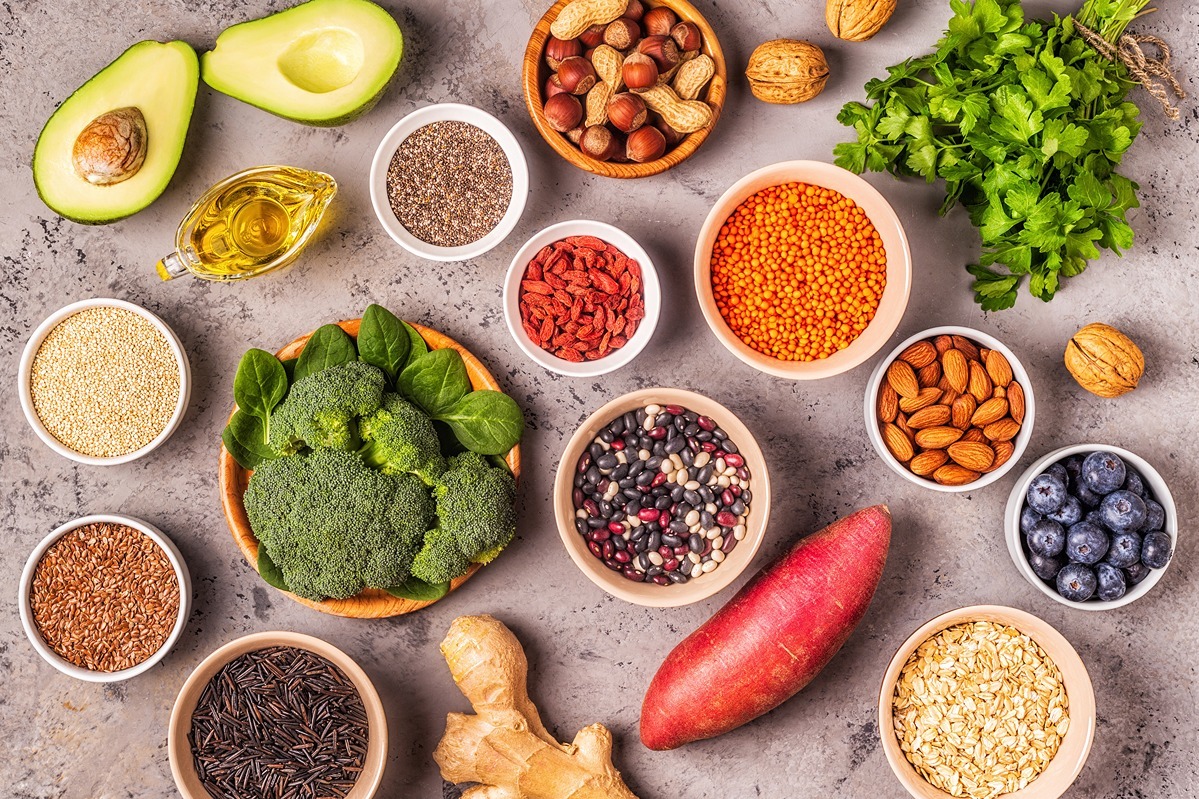
Increasing consumption of high-volume foods does not translate to more calorie intake because high-volume foods provide the nutrients you need to feel and stay full while having fewer calories per gram. On the contrary, filling your meals with high-volume and nutrient-rich foods results in a healthy, satiating diet. Many of these foods contain a lot of water which also helps. Here are some examples of foods that are high in volume to include in your diet:
You can create a nutritionally balanced diet that supports your weight loss journey by incorporating high-volume foods into your meals. High-volume, nutrient-dense foods can benefit you even if you’re not looking to lose weight.
To lose weight, most people adopt diets that are missing essential nutrients, which often leads to nutritional deficiencies and weight loss resistance. Diet plans don’t always work, and many people using diet plans find it difficult to maintain weight loss for the long term.
Wondering how you can incorporate volume eating in everyday life? Here are some simple yet effective ways to incorporate volume eating into your daily routine:
Are you seeking a sustainable and healthy way to achieve your weight loss goals? Volume eating is a great tool that can help. Sustainable and healthy weight loss is available for you. The team at CardioMender, MD Weight Loss Specialists is here to help you reach your goals.
Do you have a specific concern you would like our professional weight loss specialists to address? Get in touch with us today!
Image source: Tatiana Bralnina via Shuttestock
Our physician-supervised weight loss and aesthetic programs are designed around your unique body, goals, and lifestyle.