Neurotoxin Treatments in Pembroke Pines, FL for Refined Rejuvenation
Understanding Neurotoxins: A Medical Perspective
Neurotoxins are prescription drugs that briefly reduce activity in targeted facial muscles, helping them relax. They work by reducing the nerve signal to a targeted muscle, which softens “expression lines” caused by repeated movement (like frown lines or crow’s feet). Precision is very important here. Dose, placement, and facial anatomy all matter because the goal is a natural look, not a so-called “frozen face.”
At CardioMender Aesthetics Wellness & Weight Loss, such treatments are strictly medical: careful evaluation first, careful dosing, and follow-ups. As an anti-aging clinic, we focus on safe, evidence-based aesthetic care.
What is a Neurotoxin?
From a medical and scientific standpoint, a neurotoxin is an injectable drug made from purified botulinum toxin type A. It works by blocking certain nerve signals to a targeted facial muscle. When that muscle relaxes, the skin over it doesn’t crease as strongly, which softens dynamic wrinkles - lines caused by repeated expressions. The effect is temporary, and the goal is to reduce the look of expression lines while keeping your face looking natural.
The Efficacy of Neurotoxin Injections for Aesthetic Concerns
Neurotoxin injections are used in cosmetic dermatology to soften expression lines and help the face look more relaxed. These treatments focus on the small facial muscles that create dynamic wrinkles over time, so the skin doesn’t crease as strongly when you make common expressions. Because it’s a non-surgical option, there’s no cutting, no stitches, and the appointment itself is usually quick.
Common aesthetic concerns that neurotoxins are known to improve include:
- Reduction of frown lines (glabellar lines). These are the “11 lines” between the eyebrows.
- Smoothing of forehead wrinkles. Relaxing the muscles that lift the brows can soften horizontal lines across the forehead.
- Minimization of crow’s feet around the eyes. Tiny neurotoxin injections placed near the outer corners of the eyes can soften the look of smile lines.
- Prevention of new wrinkle formation. By reducing repetitive muscle movement, neurotoxins can help slow the deepening of lines over time.
Types of Neurotoxins and Their Clinical Applications
In aesthetic medicine, neurotoxins are FDA-approved injectable forms of botulinum toxin type A. Here are the main FDA-approved options used cosmetically:
- Botox Cosmetic. Approved to treat glabellar lines, crow’s feet, and forehead lines.
- Dysport, Xeomin, Jeuveau et Daxxify. Approved for glabellar lines.
A quick but important detail: dosing units are not interchangeable between brands, so you’re not supposed to change units from one product to another.
Neurotoxins and dermal fillers may be used to complement one another. Neurotoxins relax muscles, softening expression lines. Dermal fillers add volume or structure (for example, to restore fullness or shape).
Your Personalized Neurotoxin Treatment Plan at CardioMender Aesthetics Wellness & Weight Loss
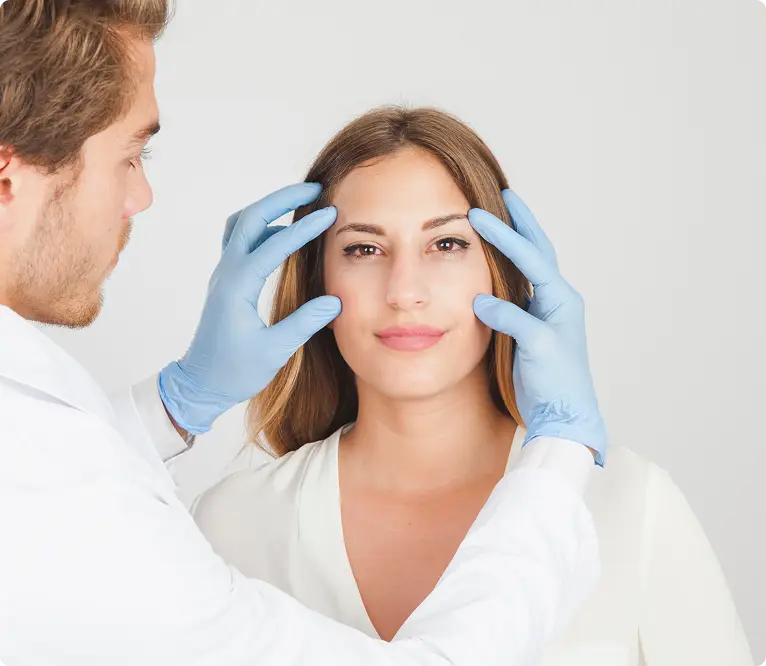
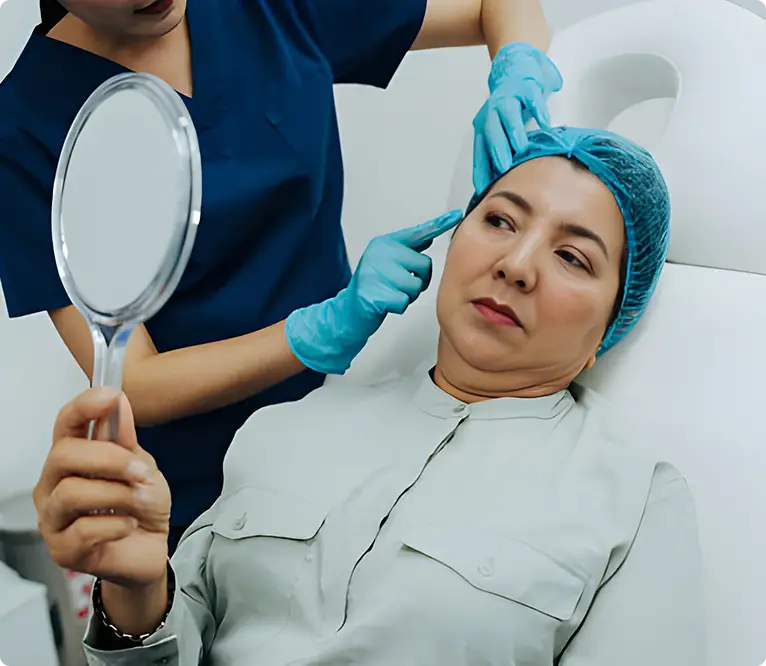
At CardioMender Aesthetics Wellness & Weight Loss in Pembroke Pines, neurotoxin treatment starts with an in-depth consultation. We assess your facial features, observe how your muscles move when you speak or smile, and discuss the changes you’d like to achieve. Then we create a fully customized neurotoxin treatment plan with careful dosing and precise placement, so your results look natural, not frozen. Trained medical professionals do neurotoxin treatment.
If you want to support your results even more, we can also talk about options like IPL photofacial for skin tone and texture. And if you’re interested in wellness support, we can also discuss services like HRT for women.
Achieving Optimal Results with Neurotoxin Treatment
Neurotoxin treatment is designed to look natural. The aim is to soften lines and create a more relaxed appearance, not to change the way you look completely.
Results aren’t instant. Small changes usually happen in a few days, with the full result showing up in about 1-2 weeks. How strong the effect is depends on the treatment area, your muscle activity, and the amount used.
There are a few simple things to follow after your visit. Avoid rubbing or massaging the treated areas. Follow your provider’s advice on working out, heat (such as saunas), and lying down for the first several hours. This helps the treatment work as intended.
Neurotoxins are temporary. They wear off over a few months, so you’ll need maintenance treatments to keep the same results. We can help you plan the timing.
Transform your well-being with CardioMender Aesthetics Wellness & Weight Loss's neurotoxin solutions.
Looking refreshed is about more than appearance. When fine lines are softened, and you seem less tired, it can help you feel more like yourself again. For many people, even a subtle change can make a difference in how they feel day to day.
At CardioMender Aesthetics Wellness & Weight Loss, we provide natural results, not “frozen” faces. We use careful dosing and precise placement, so you still look like yourself, just more rested and with fewer visible lines.
If you’re in Pembroke Pines, FL, we’d love to help. Schedule your consultation today, and let’s talk about what makes sense for you.